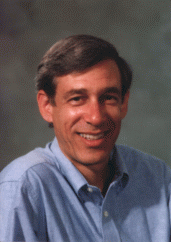
Marc Levoy
Note:
I retired from Stanford in 2015. Being Emeritus, I am not accepting new PhD
students, postdocs, visiting scholars, or interns. That said, I visit
Stanford semi-regularly, and am happy to meet with students or other members of
the university community by appointment. I can also serve on PhD committees if
there is a reasonable subject fit.
Biographical sketch
Marc Levoy is the VMware Founders Professor of Computer Science (Emeritus) at
Stanford University, and a Vice President and Fellow at Adobe. In previous lives
he worked on computer-assisted cartoon animation (1970s), volume rendering
(1980s), 3D scanning (1990s), light field imaging (2000s), and computational
photography (2010s). At Stanford he taught computer graphics, digital
photography, and the science of art. At Google he launched Street View,
co-designed the Library Project book scanner, and led the team that created HDR+,
Portrait Mode, and Night Sight for Pixel smartphones. At Adobe he led the team
that created the Indigo computational photography camera app for iPhone.
Levoy's awards include Cornell University's Charles Goodwin Sands Medal for best
undergraduate thesis (1976) and the ACM SIGGRAPH Computer Graphics Achievement
Award (1996). He is an ACM Fellow and member of the National Academy of
Engineering.
My Stanford career
Selected highlights
(If you don't see 8 images, open your browser window wider!)
Links to the rest
- List of my publications
(through 2019 at least,
with pictures, abstracts, and links to papers)
- Research at Stanford
(through 2009, text-only, with links)
- Teaching at Stanford
(through 2010, text-only, with links)
Click here for a
public version of CS 178 (Digital Photography) that includes video
recordings of the lectures.
(Or click here for a
YouTube playlist of the lectures.)
- Slides from talks
(through 2019 at least)
- Links to all of our lab's research projects
(through 2014)
- Links to our lab's technical publications
(through 2015)
- The people in our laboratory
(through 2014, except that links to faculty are up to date)
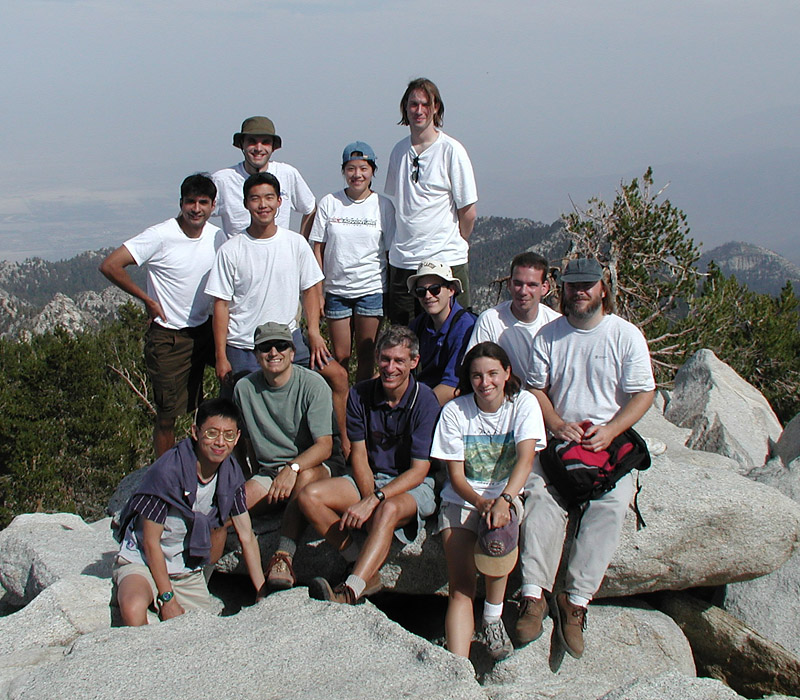
- Group photos
(including hikes, ski trips, snorkling, Death Marches, etc.)
And some photo essays

|
I love teaching. After becoming full-time at Google, and finding people there
who wanted to know more about photography, I decided to teach a revised but
nearly full version of my Stanford course
CS 178 (Digital Photography) at Google. These lectures were recorded and
edited to remove proprietary material, at which point Google permitted me to
make them public. Here is a link to this course, which I called Lectures on Digital
Photography. I also uploaded the lecture videos as a
YouTube playlist, where to my surprise they
went viral in September 2016. A Googler made a word cloud (at left)
algorithmically from the comments on those videos and sent it to me as a gift.
In a word cloud the size of each word is proportional to the number of times it
appears in the text being processed by the algorithm. It's one of the nicest
gifts I have ever received.
|
|
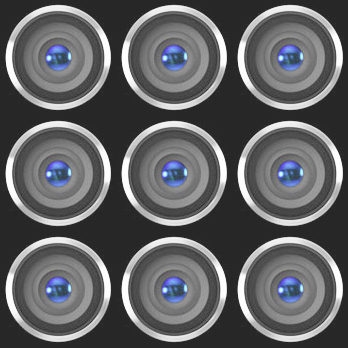
For several years
my research focused on
making cameras programmable.
One concrete outcome of this project was our Frankencamera
architecture, published in this
SIGGRAPH 2010 paper
and commercialized in Android's
Camera2/HAL3 APIs.
To help me understand the challenges of building photographic applications for
a mobile platform, I tried writing an iPhone app myself. The result was SynthCam. By capturing, tracking, aligning, and
blending a sequence of video frames, the app made the near-pinhole aperture on
an iPhone camera act like the large aperture of a single-lens-reflex (SLR)
camera. This includes the SLR's shallow depth of field and resistance to noise
in low light. The app launched
in January 2011, and seeing it appear in the App Store was a thrill.
I originally charged $0.99, but eventually made it free.
Here are a few of my favorite reviews of the app:
MIT Technology Review,
WiReD,
The Economist.
Unfortunately, with my growing involvement at Google I stopped maintaining the
app, and it stopped working with iOS 11. That said, SynthCam's ability to
SeeInTheDark inspired the development of
Night Sight, described in more detail below under My Google career.
|

|
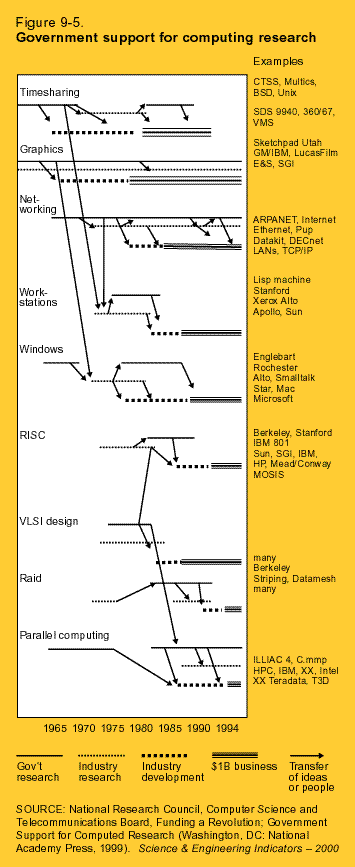
In 1999 the National Academies published
Funding a Revolution: Government Support for Computing Research. This
landmark study, sometimes called the Brooks-Sutherland report, argued that
research in computer science often takes 15 years to pay off. The
iconic illustration
from that report is reproduced at right. In 1996
Pat Hanrahan and I begin
working on
light fields and synthetic focusing, supported by the National Science
Foundation. In 2005
Ren Ng, a PhD student in our lab, worked out an optical design that allowed
dense light fields to be captured using a handheld camera. This design enabled
everyday photographs to be refocused after they are captured. I worked on this
technology alongside Ren in the Stanford Graphics Laboratory,
and later applied it to
microscopy,
but the key ideas behind the light field camera were his. (Ren's doctoral
dissertation, titled
Digital
Light Field Photography, received the 2006 ACM Doctoral Dissertation
Award.) In the same year Ren started a company called Refocus Imaging to
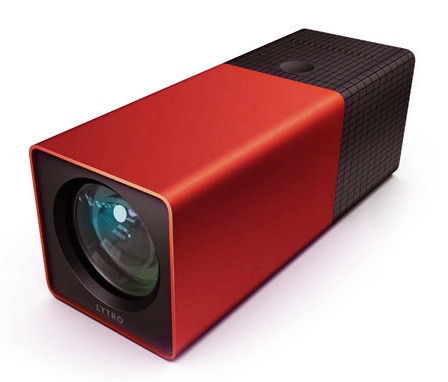
commercialize this technology. In 2011 that company, renamed Lytro, announced
its first camera. So 15 years from initial idea to first product. An exciting
ride, but a long wait. At left is the Lytro 1 camera, and below it the first
picture I took using the camera, refocused after capture at a near distance,
then a far distance. Unfortunately, aside from being refocusable Lytro cameras
didn't take great pictures, and refocusability wasn't a strong enough
differenting feature to drive consumer demand, so the product (and the
follow-on Lytro Illum camera) weren't successful.
Eventually,
portrait modes
on mobile cameras provided similar refocusing and
shallow depth of field, but without sacrificing
spatial resolution as microlens-based light field cameras do. While the
synthetically defocused pictures produced by mobile cameras are not
physically correct, it's hard to tell the difference.
BTW,
Ren Ng
is now a professor in EECS at UC Berkeley.
|
|
|
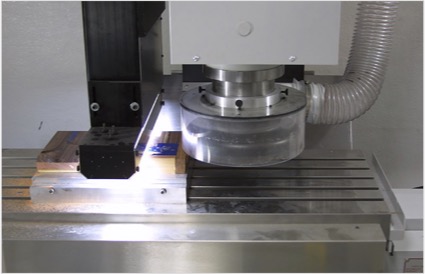
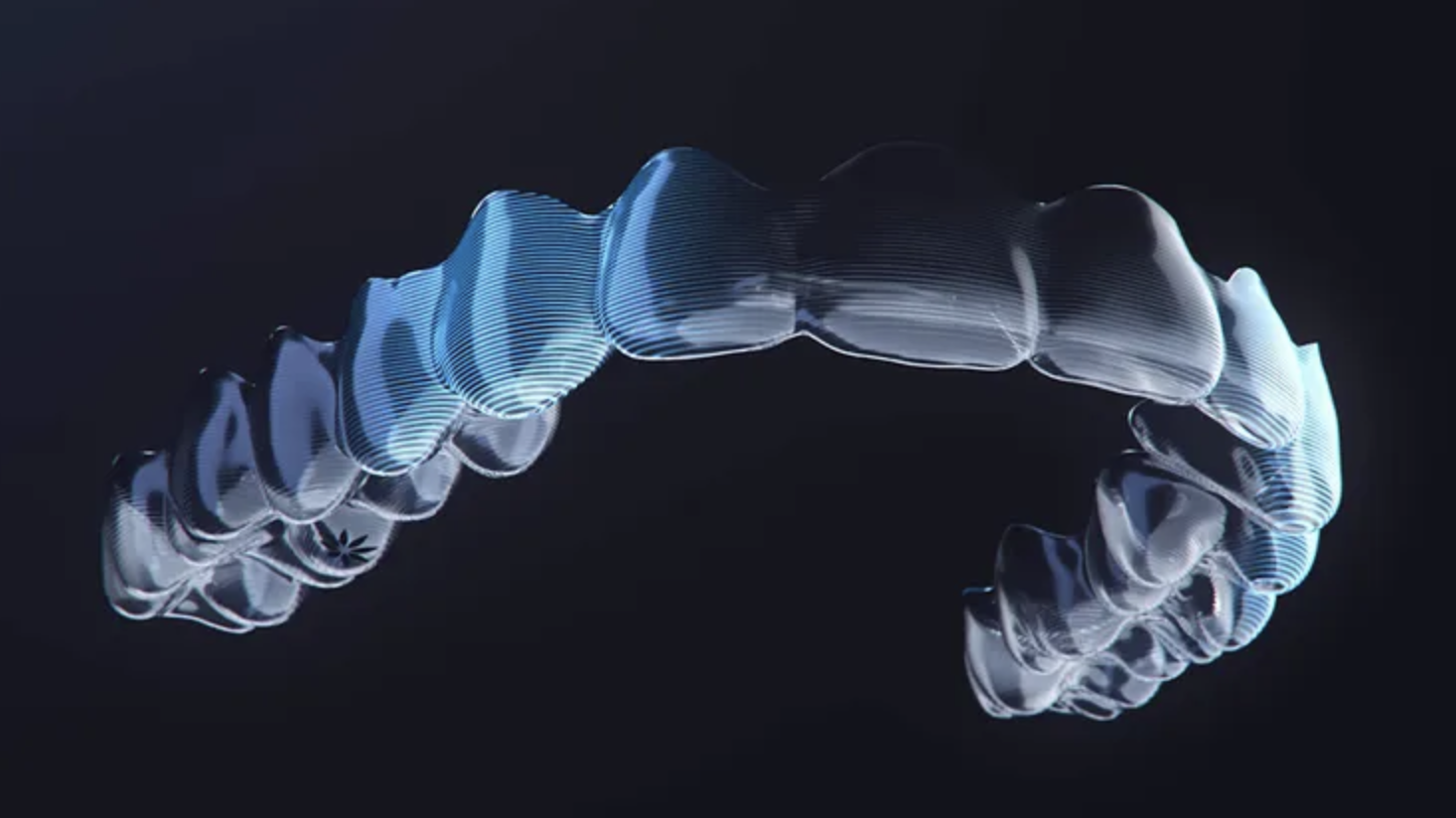
What do the two images at left have in common? In the mid-1990s, three students
in my lab (Andrew Beers, Brian Freyburger, and Apostolos Lerios) left the PhD
program to co-found Invisalign.
The company's genesis is described in this
Interesting Engineering article,
from which the upper image at left was taken. Initially they planned to use 3D
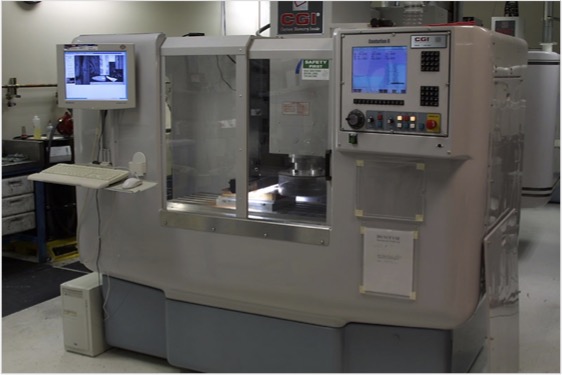
laser scanning (3rd image from left above). They later pivoted to taking a mold
of your teeth, slicing the mold finely using a milling machine, and photographing
each slice to build a 3D model. (They may have since pivoted to another
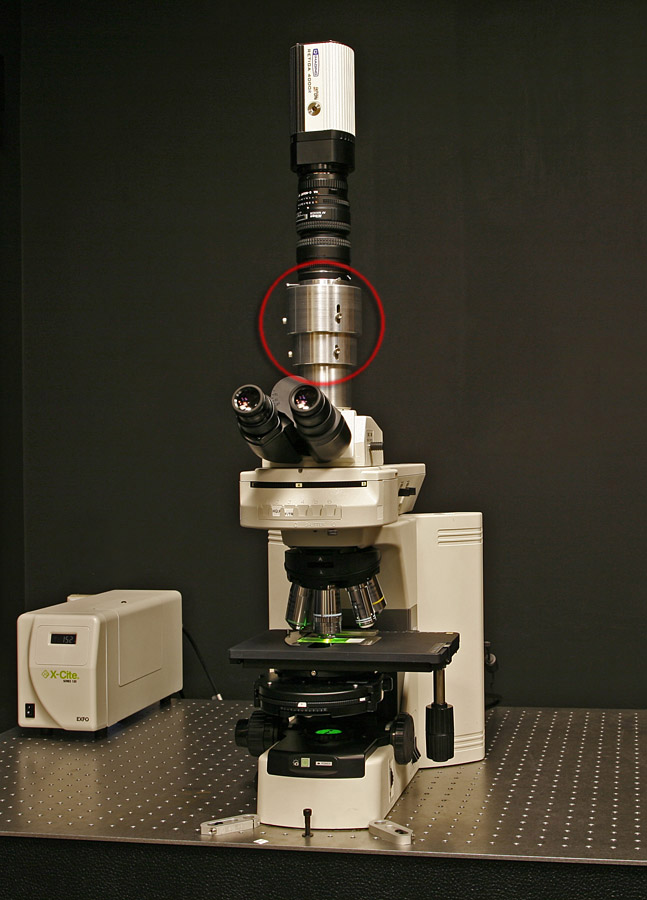
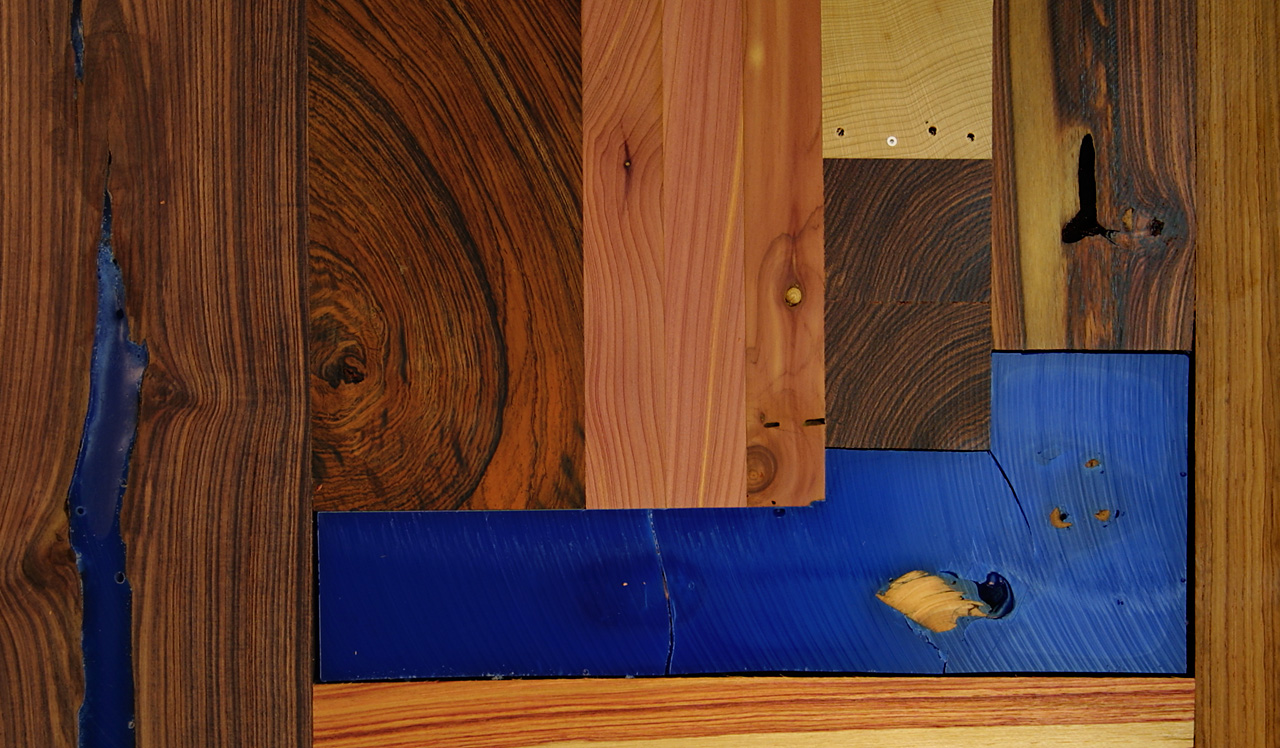
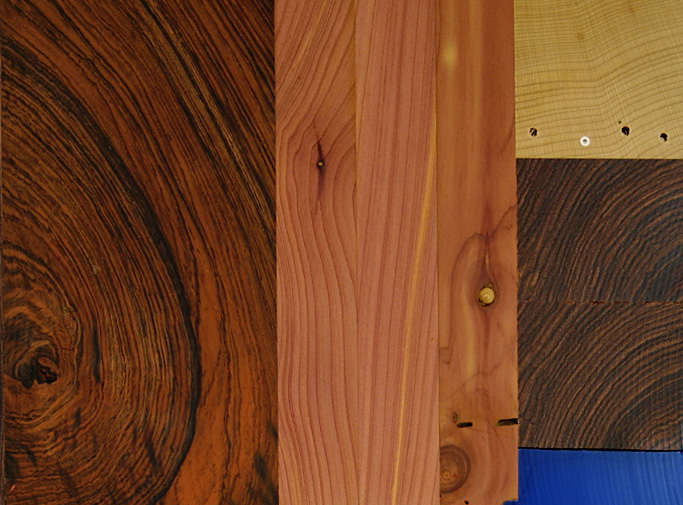
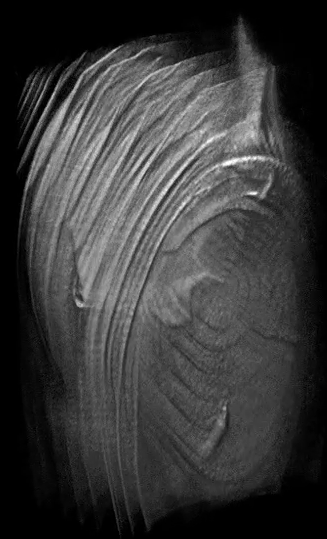
technology.) This gave me an idea - why not slice everyday objects thinly,
photograph each slice, and volume render the resulting stack of images? As an
experiment, I glued together blocks of wood (lower image at left), sliced the
block thinly using Invisalign's
milling machine,
and
photographed each slice. Here's a grayscale
video of the resulting image stack. The objects at lower right are pine
cones embedded in resin. Isn't it interesting how wood grain changes shape over
depth? Watch the knots move around in this
block of maple.
Knots are twigs from an early stage of tree growth, which eventually become
embedded in the thickening branch from which they sprang. My plan was to volume
render this and other natural objects (marble veining?), and write a book (or
create a web site) of visualizations. I would call the book
Volumegraphica (or Volumegraphia, inspired by Robert Hooke's 1665 book
Micrographia, which
contains beautiful drawings of what he could see through a microscope). An early
attempt at volume rendering that block of maple is shown at right. Click on it
for a video; you can clearly see the twig buried inside the block.
Unfortunately, I never found time to puruse this sabbatical-type project,
becoming involved instead in multi-camera arrays and light field microscopy (see
images above). I also found it challenging to fix natural objects so they don't
fall apart in the milling machine, especially if they contain cavities (like
conch shells). For more details, see this
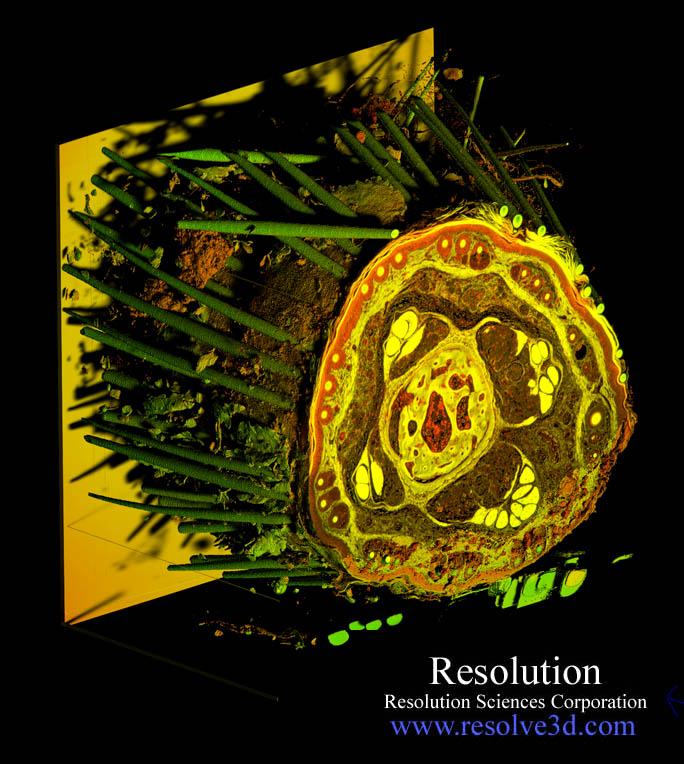
slide deck. And for some related projects that use 3D medical imaging
technologies instead of physical slicing, see the Visible Human
Project, or this stunning
volume rendering of a mouse tail from
Resolution Sciences.
|
|
Note: I retired from Stanford in 2015. As the note in the box at the
top of this page says, I am not accepting new PhD students, postdocs, visiting
scholars, or summer interns.
Please don't email me asking about opportunities in my research group
at Stanford; there is no such group, and there hasn't been one since 2015.
Ask me instead about Adobe!
My Google career
Selected highlights
(If you don't see 7 images, open your browser window wider!)
|
|

|
|

|
|
|
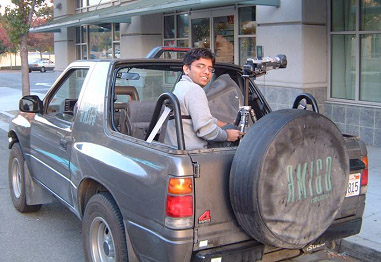
Gaurav Garg taking video for CityBlock,
later productized as Google StreetView
|
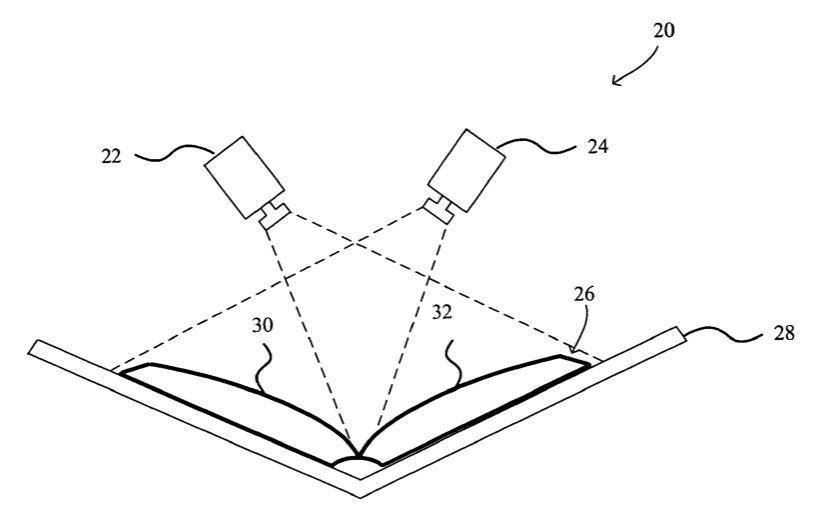
Figure 1 from US patent 7,586,655
on the design of a book scanner
|
Wearing Glass at a public photo walk,
photo by Chris Chabot (2012)
|
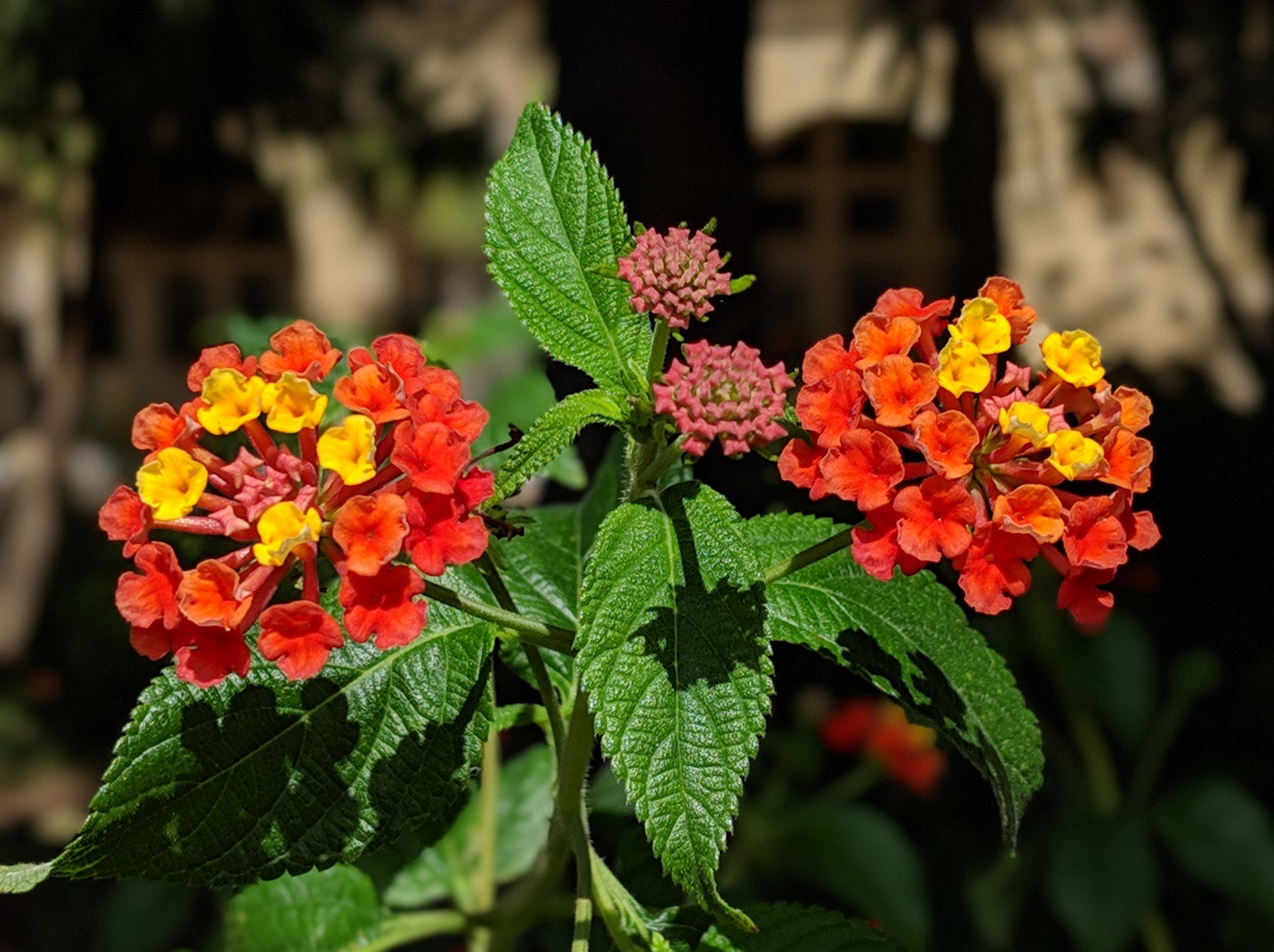
Portrait Mode on Pixel 2,
photo by Marc Levoy (2017)
|
Night Sight on Pixel 3,
photo by Diego Perez (2018)
|
Astrophotography on Pixel 4
Florian Kainz (2019)
|
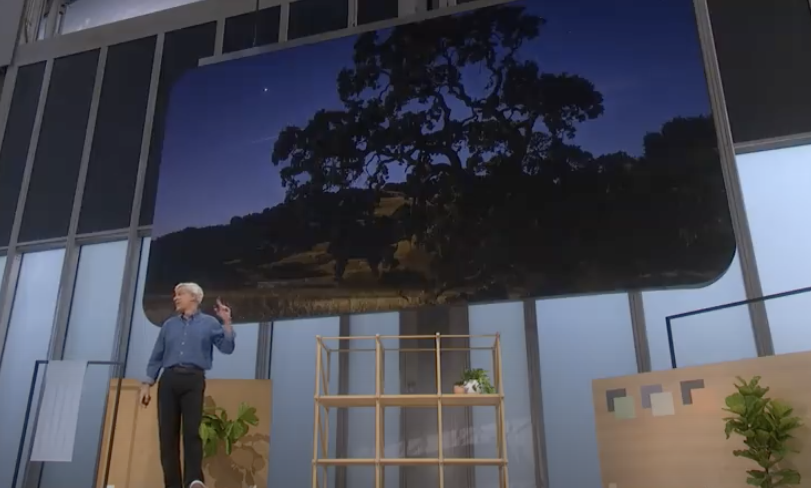
My portion of the Keynote address
at the launch of Pixel 4 (2019)
|
Chronology
In 1993, while as Assistant Professor at Stanford, I lent a few disk drives to
PhD students David Filo and Jerry Yang so they could build a table of contents
of the internet. This later became
Yahoo.
In 1996 Larry Page and Sergey Brin, also PhD students at Stanford, began
assembling a pile of disk drives two doors down from my office to build an
index of the internet. This later became
Google.
Hmmm, table of contents versus index... At the time both ideas made some sense,
but history shows which approach scaled better as the internet grew. (While
Larry shared an office with my grad students, I also got to know Sergey well,
as a student in one of my computer graphics courses.)
In 2002 I launched a Google-funded Stanford research project called
CityBlock,
which Google later commercialized as
StreetView.
For an overview of the Stanford project,
see this
talk I gave at the 2004 Stanford Computer Science Department retreat. This
article in TechCrunch
outlines the project's later history at Google, except that the video Larry
Page and Marissa Meyer captured while driving around San Francisco predated my
project at Stanford, not the other way around as the article says. (I still
have his video in my attic.)
In 2003, working as a consultant for Google, I co-designed the
book scanner for Google's
Project Ocean,
whose goal was to non-destructively digitize millions of books from six of the
world's largest libraries: the University of Michigan, Harvard (Harvard
University Library), Stanford (Green Library), Oxford (Bodleian Library), and
the New York Public Library. While the scanner design actually used in the
project is a Google trade secret, the patent linked above is representative of
the technologies we were exploring. See also
this CNET article, or this
coverage from National Public Radio.
(Francois-Marie Lefevere, the co-inventor on this second patent, was formerly
one of my students.)
From 2011 through 2020 I built and led a team at Google that worked broadly on
cameras and photography, serving first as visiting faculty in
GoogleX,
and later as a
full-time Principal Engineer and Distinguished Engineer
in
Google Research.
The internal team name was "Gcam", which became public when this
GoogleX blog article appeared.
Our first project was burst-mode photography for
high dynamic range (HDR) imaging, which we launched in
the Explorer edition of
Google Glass.
See also this public
talk.
This work was later extended
and applied to mobile photography,
launching as
HDR+ mode
in the
Google Camera app on multiple generations of
Nexus and
Pixel smartphones.
The French agency
DxO
gave the 2016 Pixel the
highest rating ever given to a smartphone camera,
and an
even higher rating to the Pixel 2 in 2017.
Here are some albums of photos I shot with the Pixel XL:
Desolation Wilderness,
Cologne and Paris,
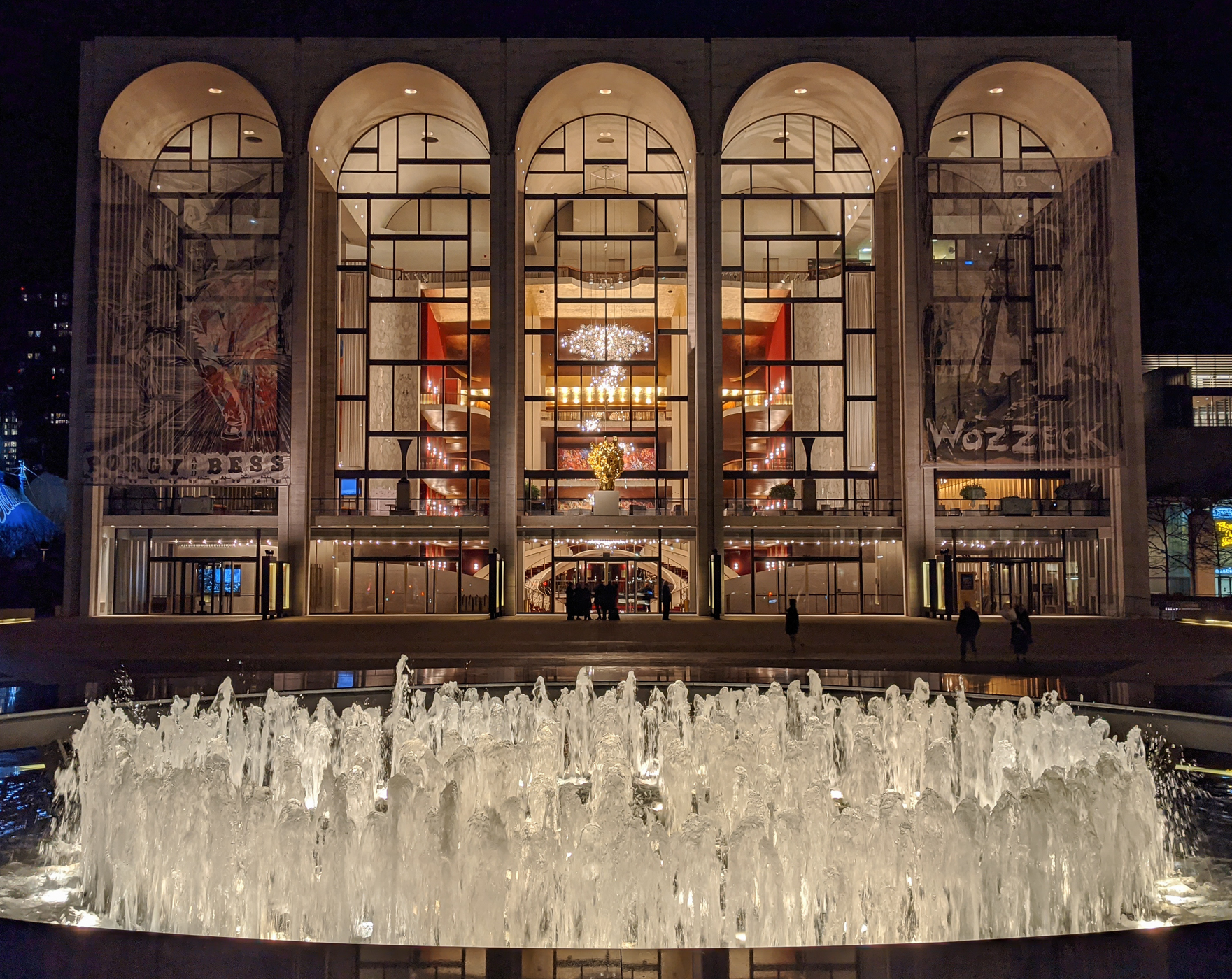
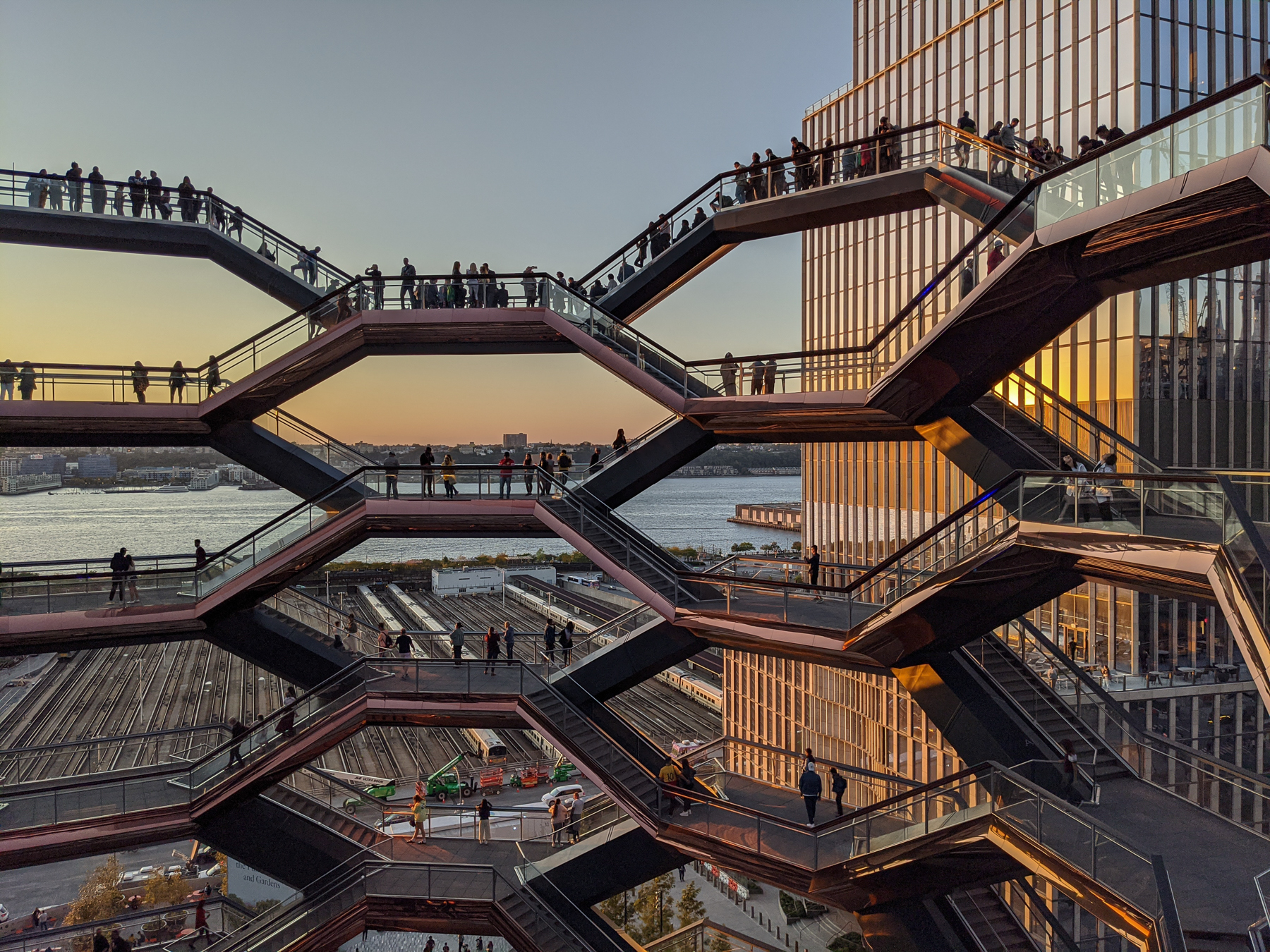
New York City,
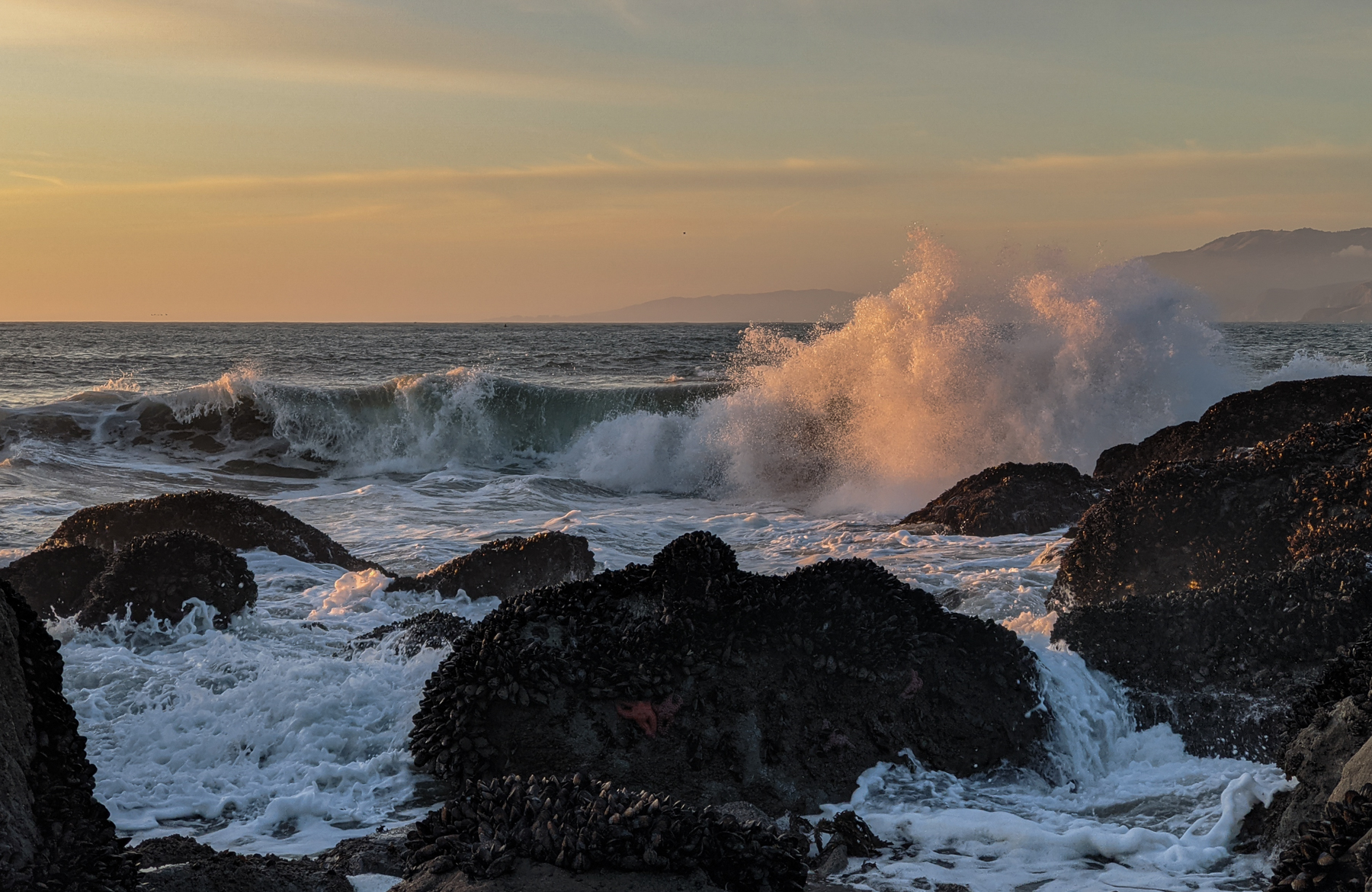
Fort Ross and Sonoma County. Press "i" ("Info") for per-picture captions.
In 2017 we branched out from HDR imaging to synthetic shallow
depth of field, based loosely on my 2011
SynthCam
app for iPhones.
The first version of this technology launched as
Portrait Mode on Pixel 2 (see example above).
Here is an album of portrait mode shots of
people,
and another of
small objects
like flowers.
See also this
interview in The Verge,
this cute explanatory video about the Pixel 2's camera, and these
papers in
SIGGRAPH Asia 2016 on HDR+ and
SIGGRAPH 2018 on portrait mode.
We later extended portrait mode to use
machine learning to estimate depth
(published in
ICCV 2019),
and on Pixel 4 to use both
dual-pixels and dual-cameras.
In 2018 my team developed
(or collaborated with other teams on) several additional technologies:
Super Res Zoom (paper in
SIGGRAPH 2019),
synthetic fill-flash,
learning-based white balancing
(papers in
CVPR 2015 and
CVPR 2017),
and
Night Sight (paper in
SIGGRAPH 2019).
These technologies launched on Pixel 3.
Night Sight was inspired by my prototype
SeeInTheDark app, which is described in this
public talk, but was never released as a public app.
Night Sight
has won numerous awards, including DP Review's 2018
Innovation of the Year and
the
Disruptive Device Innovation Award
at Mobile World Congress 2019.
See also these inteviews by
DP Review and
CNET, and this lay person's
video tutorial by the Washington Posts's Geoffrey Fowler.
In 2019 we launched a real-time version of HDR+ called
"Live HDR+", which made Pixel 4's viewfinder WYSIWYG (What You See Is What
You Get),
and
"Dual Exposure Controls", which allowed separate control over image
brightness and tone mapping interactively at time of capture - a first for any
camera. In Pixel 4 we also extended Night Sight to
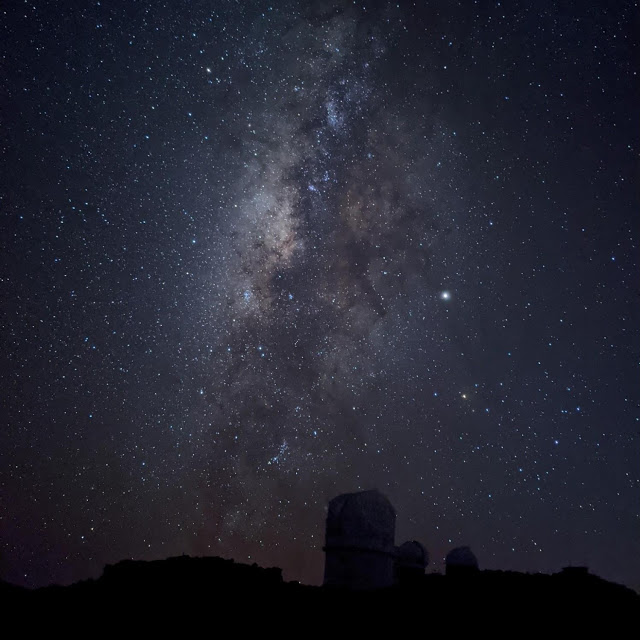
astrophotography.
My team had been exploring this problem for a while; see
this
2017 article by Google team member Florian Kainz.
However, Florian's experiments required a custom-written camera app and manual
post-processing. On Pixel 4 consumers could capture similar pictures with a
single button press, either handheld or stabilized, such as Florian's stunning
tripod photograph (see above) of the Milky Way over Haleakala in Hawaii. Note
that pictures like this still require aligning and merging a burst of frames,
because over a 4-minute capture the stars do move. Is there art as well as
science in our work on Pixel phones? Lots of it; check out this short video by
Google on how
Italian art influenced the look of Pixel's photography.
Finally, my team also worked on underlying technologies for
Project Jump,
a
light field camera
that captures stereo panoramic videos for VR headsets such as
Google Cardboard.
See also this May 2015 presentation at
Google I/O.
A side project I did at Google in 2016 was to record
a modified version of my quarter-long Stanford course
CS 178 (Digital Photography)
in front of a live audience (of
Googlers).
The videos and PDFs of these lectures are available to the public for free
here.
See also this YouTube
playlist.
As an epilogue to this chronology, the technologies my team launched in Pixel
phones from 2014 to 2019 were quickly adopted by other smartphone vendors. It
seems fair to say that my team's work, and our publications, accelerated the use
of smartphones for everyday photography, and disrupted the camera industry. (See
also my sidebar below about cell phones versus SLRs.) I believe it was partly
for this reason that I was inducted into the
National Academy of Engineering in 2022. However, it's important to note
that these technologies were developed by scrappy subteams of smart and creative
people (led by
Sam Hasinoff and
Yael Pritch), not by me acting as some kind of "hero inventor".
Our impact was also facilitated by Google executives (starting with Dave Burke) who believed in the
team and were willing to risk their flagship product on our strange ideas.
Oh yes, and then there is the story about how Google got its name, due to a
spelling mistake made by one of my Stanford graduate students.
To hear the full story, you'll have to treat me to a glass of wine.
Will cell phones replace SLRs?

|
Although I've largely moved from SLRs to mirrorless cameras for my big-camera
needs, I'm frankly using big cameras less and less, because they have poor
dynamic range unless I use bracketing and post-processing, and they take poor
pictures at night unless I use a tripod.
Both of these use cases have become
easy and reliable on cell phones, due mainly to computational photography.
HDR+ mode on Nexus and Pixel smartphones is
one example.
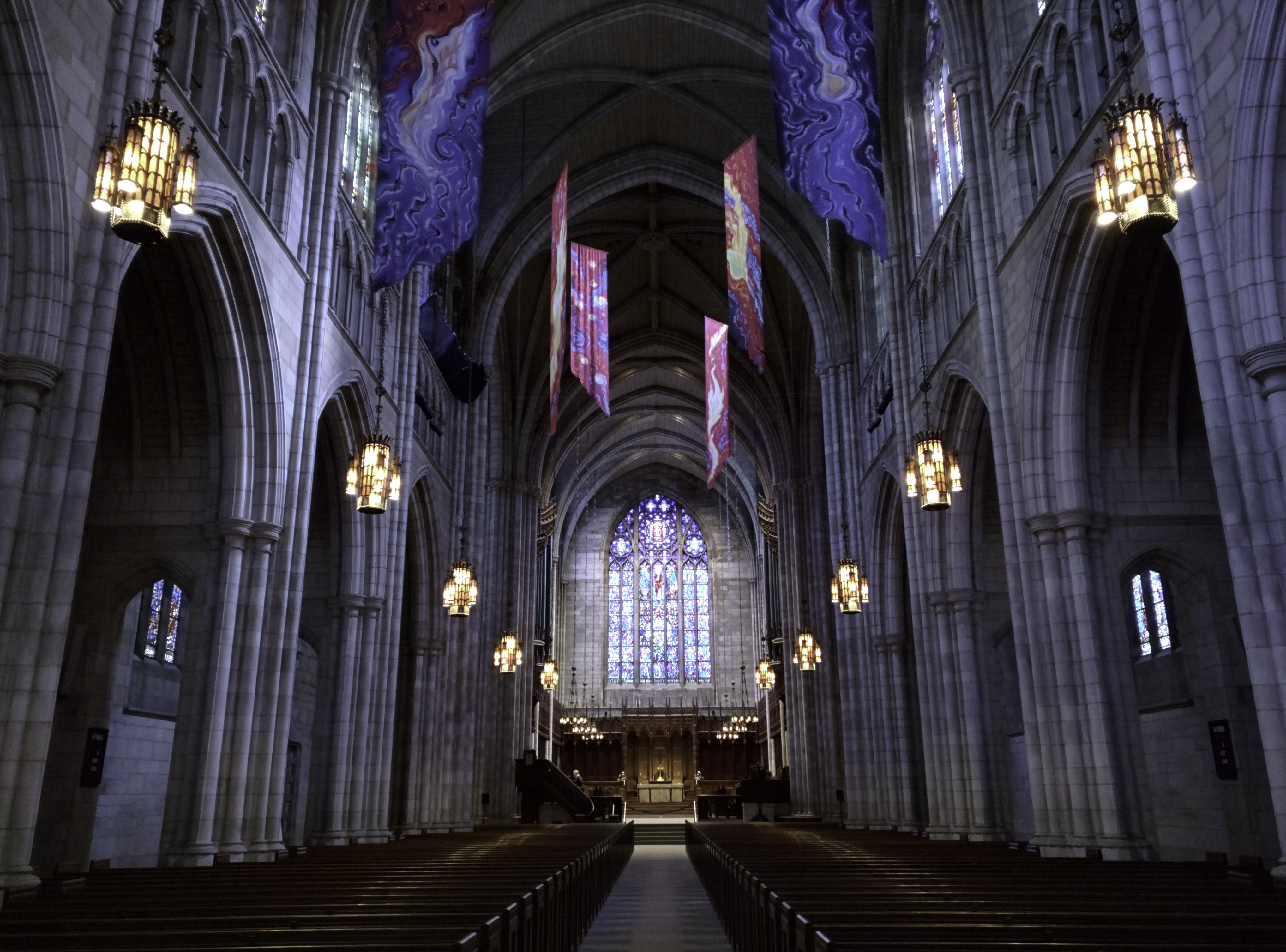
These pictures were taken with the 2015-era Nexus 6P: the left
image with HDR+ mode off, and the right image with HDR+ mode on. Click on the
thumbnails to see them at full resolution. Look how much cleaner, brighter,
and sharper the HDR+ image is. Also, the stained-glass window at the end of
the nave is not over-exposed, and there is more detail in the side arches.
|
|
Taking a step back, the tech press is fond of saying that computational
photography on cell phones is making big cameras obsolete. Let's think this
through. It is true that sales of interchangeable-lens cameras (ILCs), which
include SLRs and mirrorless cameras, have
dropped by two-thirds since 2013, and
point-and-shoot cameras have largely disappeared, in lockstep with the
growth of
mobile phones.
Similarly,
Photokina, the world's largest photography trade show, shrank by half from
2015 to 2020, and was finally canceled forever in 2021, having been partly
supplanted by
Mobile World Congress.
There are confounding factors at play here, including the decimation of
professional photography niches like photojournalism, due to shifts in how news
is gathered and disseminated. But improvements in the quality of mobile
photography over the last decade is certainly a contributor to these changes.
Rishi Sanyal, Science Editor for DP Review, who has written extensively about
Pixel 3 and
Pixel 4, once estimated that
the signal-to-noise ratio (SNR) of merged-RAW files from Pixel 4 matches that
of RAW files from a micro-four-thirds camera. I think Pixel's dynamic range is
actually better - roughly matching that of a full-frame camera, due to low read
noise on Sony's recent mobile sensors, but in either case the trend is clear.
I also note that as we move from SLRs to mirrorless cameras, hence from optical
to electronic viewfinders, the dynamic range of the viewfinder becomes more
important. In this respect the Pixel 4, with its
"Live HDR+", firmly beats the electronic viewfinders on big mirrorless
cameras. (The SNR of cell phone viewfinders still lags, but I expect this to
become better in the future.) When Pixel 2 won DP Review's
Innovation of the Year in 2017,
comments in the user forums were running 60/40 in favor of "This isn't real
photography." By the time Pixel 3 won
the same award again in 2018, user forum comments were running 80/20 in
favor of "Why aren't the SLR makers doing this?" Actually, a few mirrorless
cameras do offer single-shutter-press burst capture and automatic merging of
frames. But as of 2020 these modes produce only JPEGs, not merged RAW files,
and their merging algorithms use only global homographies, not robust
tile-by-tile alignment. As a result they work poorly when the camera is
handheld or there is motion in the scene.
It's hard to resist concluding that this is a classic case of "disruptive
technology", as described by Clayton Christensen in
The Innovator's Dilemma.
Cell phones entered at the bottom of the market, so traditional camera makers
didn't see them as a threat to their business. Slowly but inexorably, mobile
photography improved, due to better sensors and optics, and to algorithmic
innovations by Google and its competitors. Computational photography played
a role, and so did machine learning.
So also did Google's culture of
publication, which allowed other companies to become "fast-followers". By
the time traditional camera companies realized that their market was in danger
it was too late. Even now (in 2020), they seem slow to respond. I analyzed
their slowness in this
2010 article,
the same year we published our
Frankencamera architecture
(commercialized by Google in its
Camera2/HAL3 API).
Little has changed since then, except that cell phones
have become more capable. Full disclosure: one factor I missed in my 2010
article was that while large cameras have powerful special-purpose image
processing engines, they have relatively weak
programmable processors. At the same time, they have more pixels
to process than cell phones, because their sensors are larger. These two
factors made innovation difficult.
In the end, it's hard to avoid thinking it's "Game Over" for ILCs, except in
niches like
sports and wildlife photography, where big glass is mandated by the laws of
physics.
Even
Annie Leibovitz thinks this.
For the rest of us, it's not only that
"the best camera is the one that's
with you"; it may also be true
that the camera that's with you
(meaning your cell phone)
is your best camera!
ChatGPT's version of this sidebar, rewritten in hip-hop style.
My Adobe career
A history yet to be written. 😉
But we're
hiring! Especially MS and PhD graduates
with expertise in computer vision, computational photography, and/or AI.
Meanwhile, see this 1-hour, in-depth
podcast / interview
by Nilay Patel of The Verge, on
camera hardware, software, and artistic expression at Google and Adobe.
And this 10-minute talk
at Adobe MAX 2020 about
computational photography at the point of capture.
In March 2022
Adobe interviewed me
about my work in photography,
following my election to the
National Academy of Engineering.
See also this coverage in
Petapixel.
Here's a nice July 2022
interview by Atila Iamarino of Brazilian public television, about
computational photography in general, presented in a mix of English and
Portuguese.
Here is my Adobe team's gift to me of a
superhero backstory.
|
|
|
Here is an
Adobe Max 2023 Sneak Peek that my team presented on automatically removing
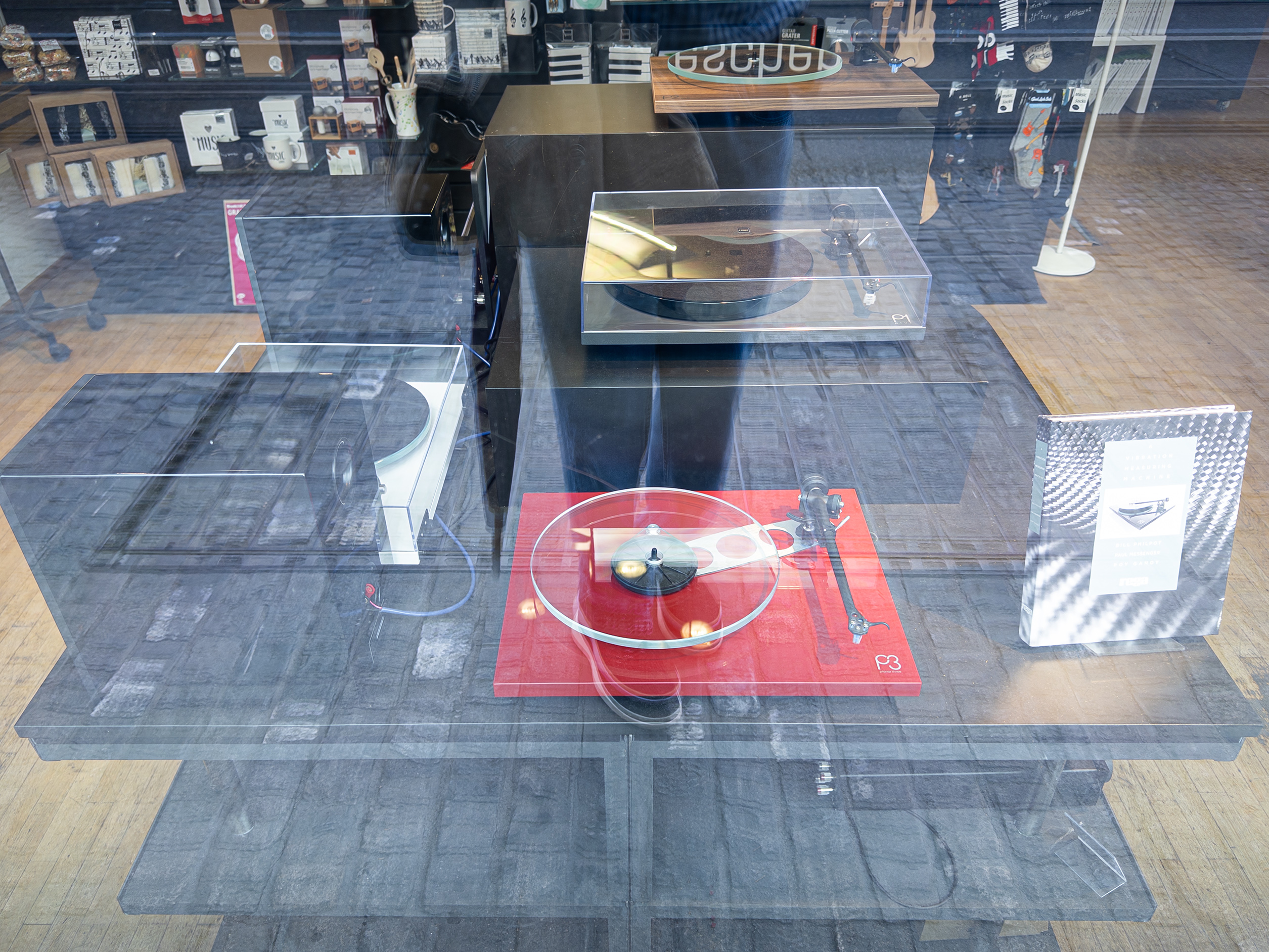
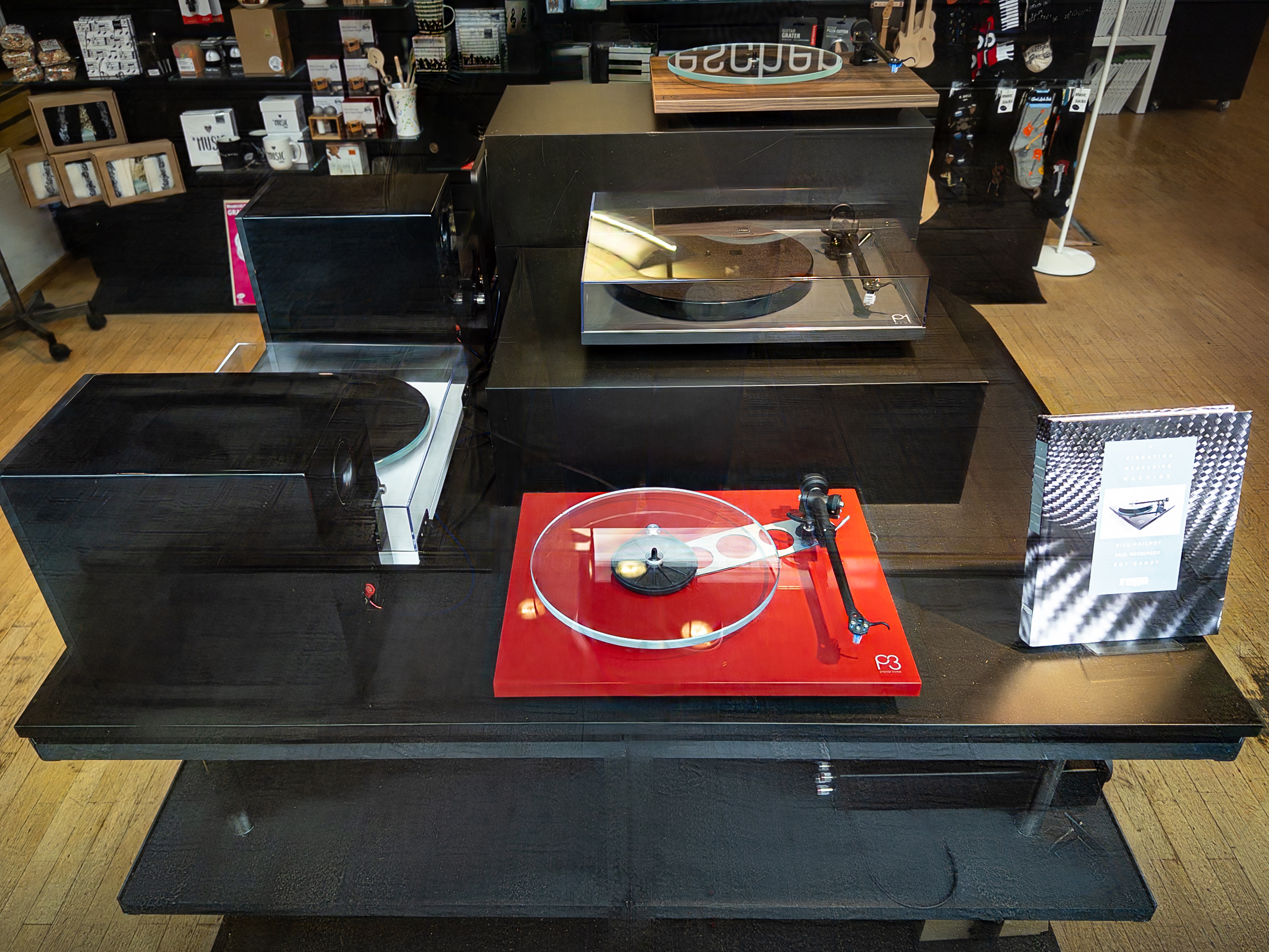
window reflections. The first image at left is a smartphone photo I
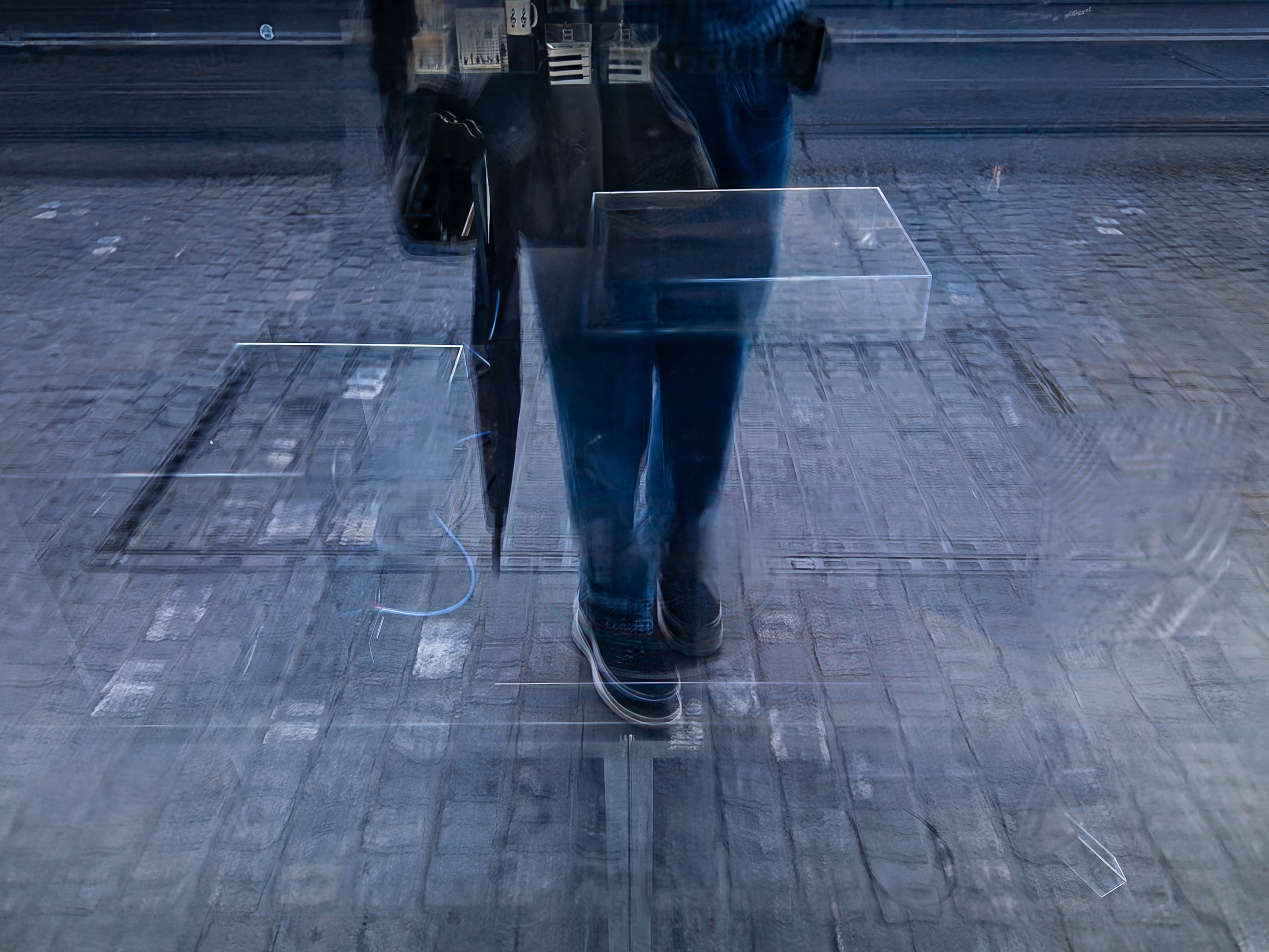
captured of a phonograph turntable in a Zurich storefront. Our AI produces the
second image, with the reflections (mostly) removed, and optionally the third
image, showing the reflected scene. In this image you can see me standing in
front of the store with my umbrella, because it was raining. Features in this
image appear doubled (or more) due to presence of double-pane glass. The Sneak
was called #projectseethrough. Here is a video of the
live presentation
in Los Angeles by team member Eric Kee.
Twitter/X seemed to like the presentation.
See also the entry 3 rows down about the launch of this technology
as a feature in Adobe Camera Raw.
|
|
|
|
Also featured at Adobe MAX 2023 were versions of
Lightroom
and Adobe Camera Raw (ACR)
that support editing of high dynamic range (HDR) images.
Adobe collectively calls these capabilities
HDR Optimization. For more details on this technology, see this
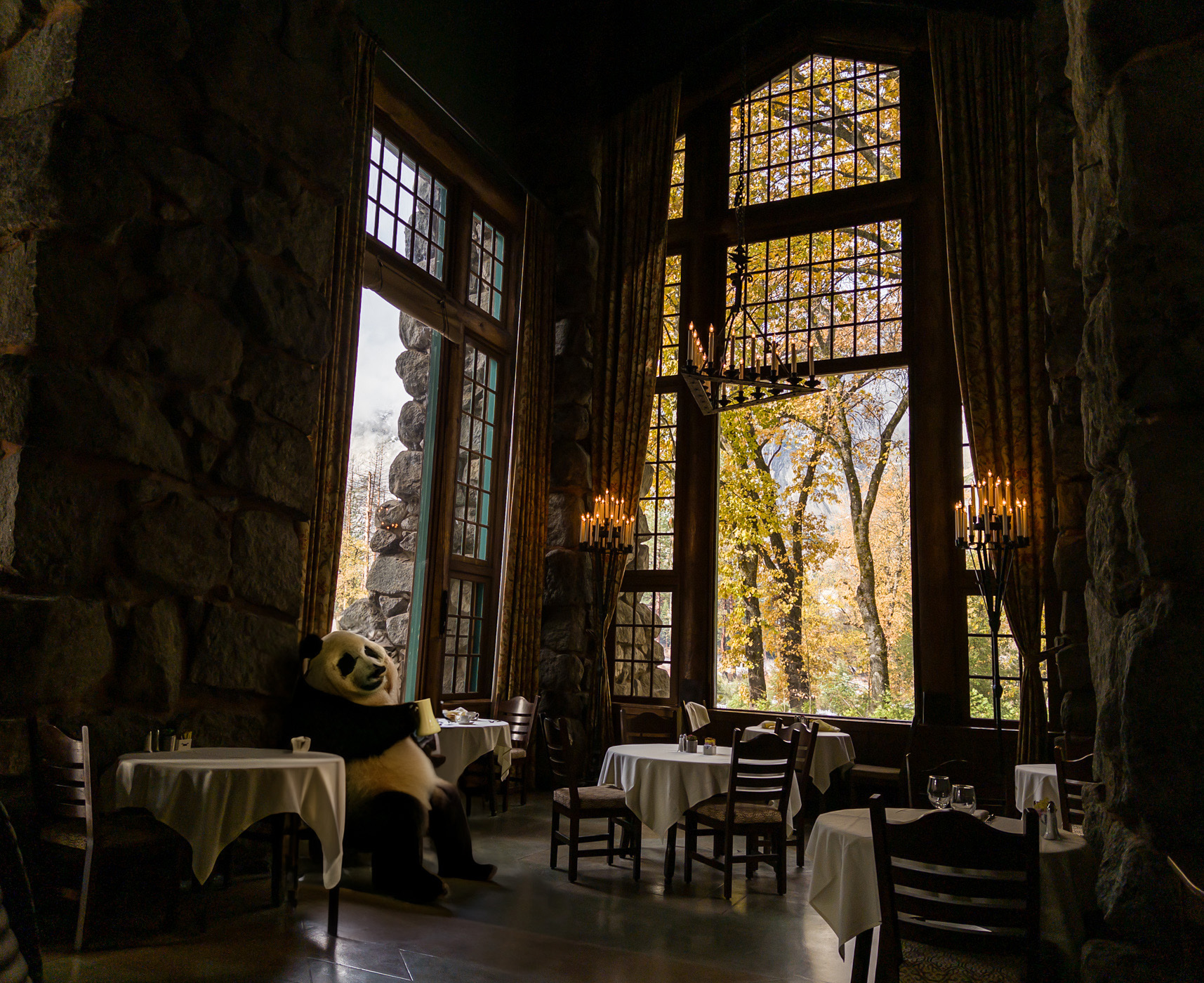
blog by ACR architect Eric Chan. If you stopped by the Lightroom booth at
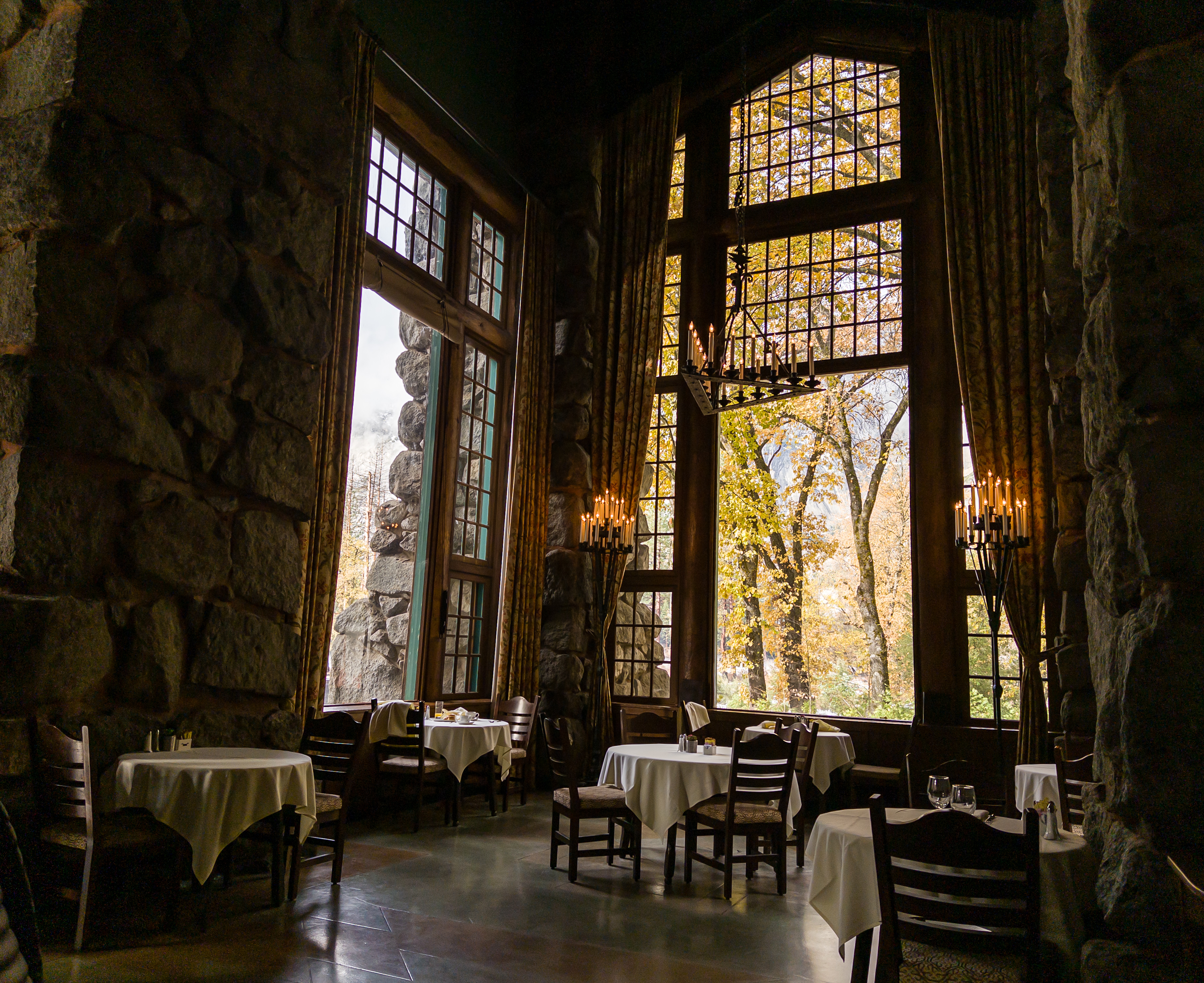
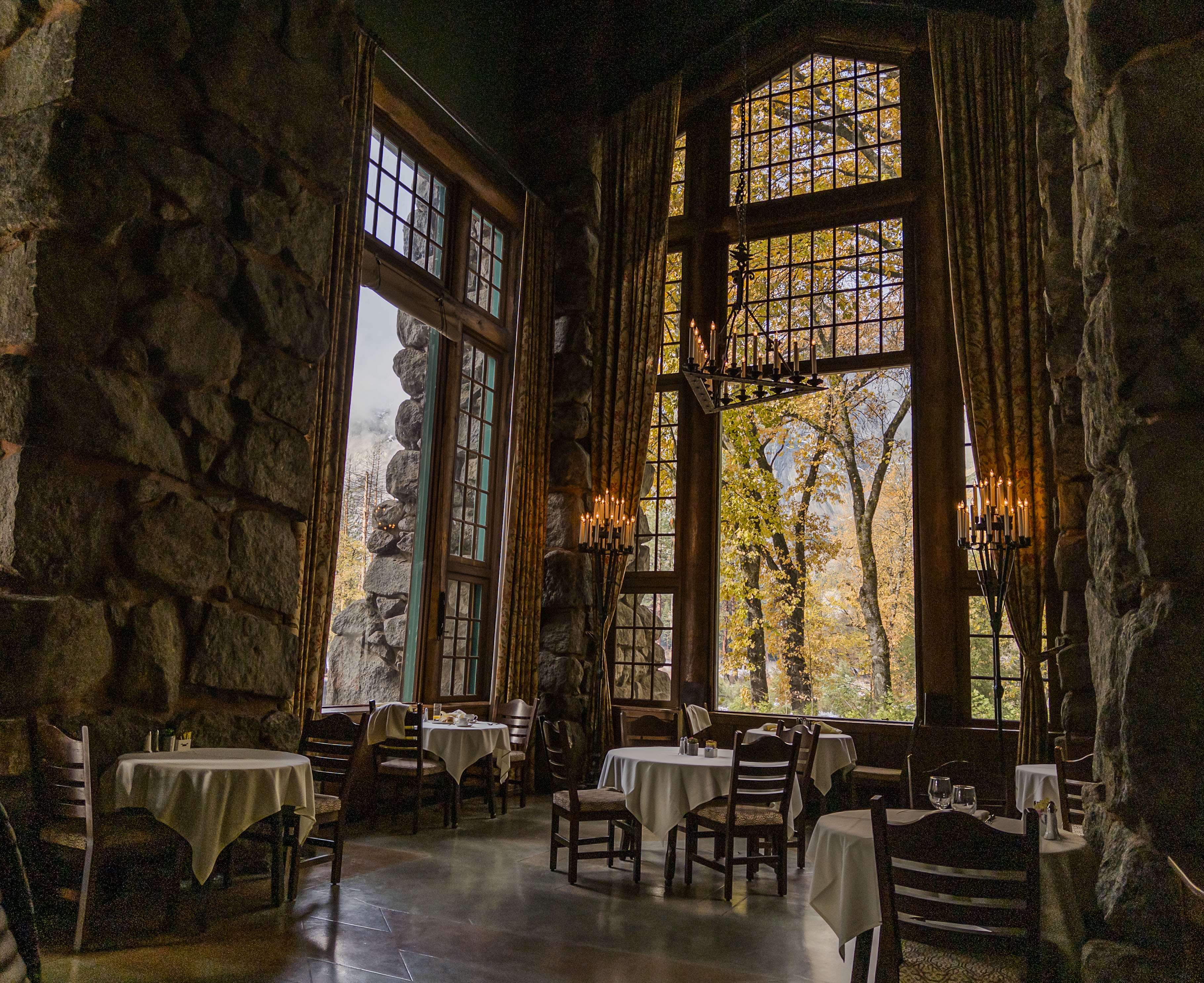
MAX, you might have seen the photograph at left that I took in the dining room of
Yosemite's Ahwanhee Hotel. The first image is standard dynamic range (SDR), and
the second is high dynamic range (HDR). To see the second one, you must be
viewing this web page in Chrome version 117 or later on a suitable HDR display,
such as a 14" or 16" Macbook Pro 2021 or later, or an Apple XDR monitor. The
third image includes some guy having his morning coffee, with help from
Photoshop Generative Fill. For more examples of SDR/HDR pairs, see this
album from a recent trip to France and
Switzerland.
|
|
|
|
Launched at MAX 2024 was a new feature of Adobe Camera Raw (ACR) called the
Adobe Adaptive Profile. Assigning a profile to a photo determines how the
photo is rendered in the absence of manual adjustments. Unlike existing ACR
profiles, Adobe Adaptive is image dependent and semantically aware (e.g. subjects
and skies). It is implemented using an AI trained on thousands of hand-edited
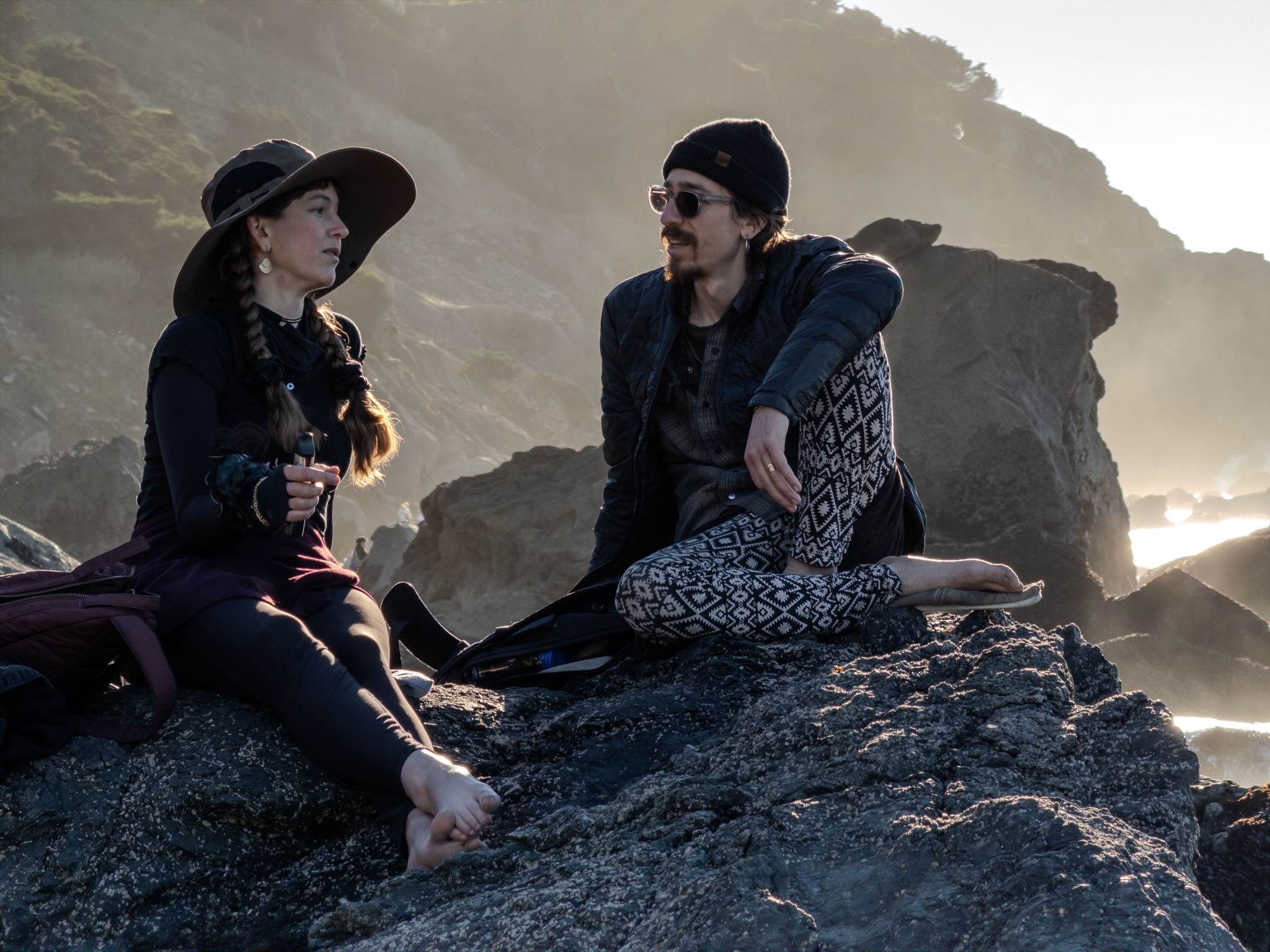
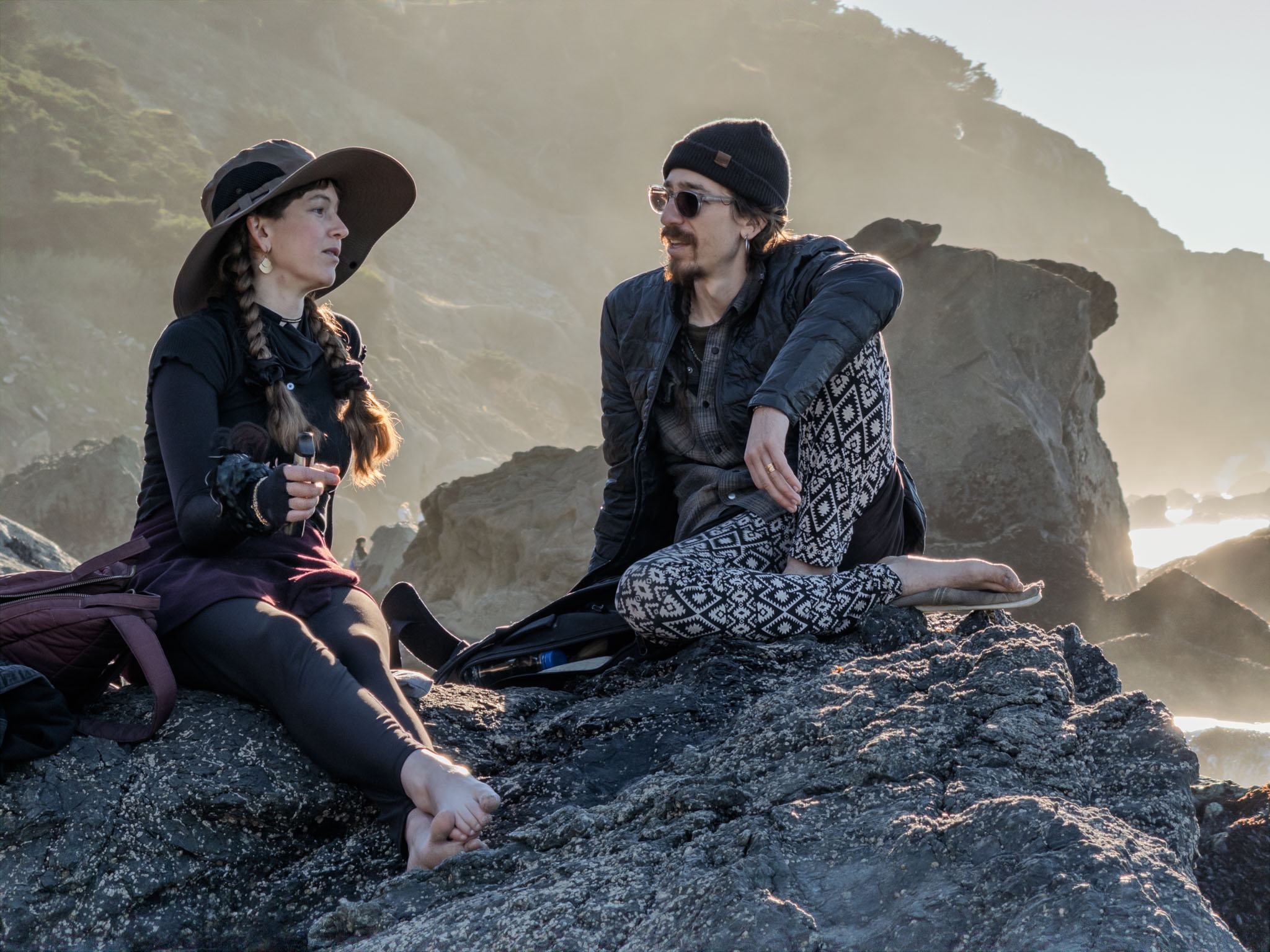
photos. (I was one of the editors.) The first image at left is a raw HDR
photograph. (View using Chrome on a suitable HDR display.) The people are too
dark, and the sky and surf are distractingly bright. The second image shows the
effect of our AI. The people have been brightened, and the sky has been
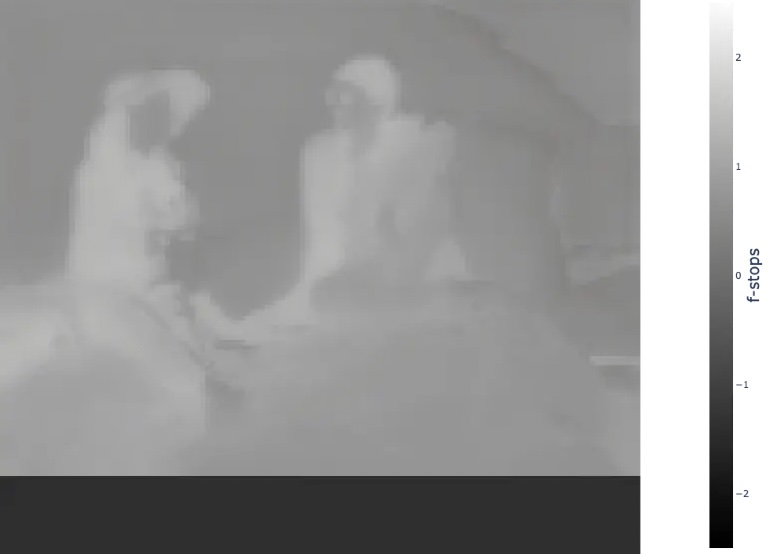
darkened. Our AI applies brightness manipulations using a grid of tone curves
called a Profile Gain Table Map (PGTM), and color manipulations using a set of
three-dimensional RGB lookup tables (RGBTs). The third image illustrates the
PGTM. Below this image is a band of color. The image tells you whether pixels
of the photograph that have the brightness shown in the band will be darkened or
brightened by our AI. As you can see, the PGTM calls for the couple's clothing,
which are initially dark, to be brightened by 1 f-stop. If the band were nearly
white, it would show that the PGTM calls for the sky to be darkened by 1.5
f-stops. For more details, see our
Adobe blog.
|

|
The
Sneak Peek my team showed at Adobe MAX 2023 for removing window reflections (see the first row of photos above) is now available to photographers as
a feature in
Adobe Camera Raw and
Lightroom.
The technology is designed to address only one kind of reflection — from plate
glass windows that cover most or all of your field of view. It's not designed to
remove reflections from windows that are small or far away, or where the window
frame is within the field of view, or reflections from objects like wine glasses,
car bodies, or clouds reflected in a lake. The goal of this feature is to help
you turn a photo you might otherwise delete (first image at left) into one that
is good enough to share (second image). By the way, the feature also predicts
the image that was reflected in the window (third image), a backyard scene in
this example. The technology is powered by AI, but it's not generative AI, so it
will never create objects that weren’t present in the original photograph.
For more details, see this
Adobe blog and this
arXiv paper
(to appear in Proc. CVPR 2025).
The feature has evidently resonated with the public; here is some coverage by
Petapixel,
DiYPhotography,
DP Review, and
The Verge.
See also this
tutorial by
Adobe Photoshop evangelist
Julieane Kost, demos by
vloggers
Brian Matiash and
Colin Smith,
and this
interview of me in
CNET.
|
|
|
 One of the enduring benefits of the smartphone revolution is that it
has put a pretty good camera in everyone's pocket. That said, mobile cameras
don't offer full manual control, don't specialize in delivering good raw images,
and have a "smartphone look" that not everyone likes. To address these gaps, and
to explore the future of mobile photography, Adobe's Nextcam Team (which I lead)
has developed an experimental camera app called Project Indigo,
which is available on iPhone as a free mobile app from Adobe Labs, in the
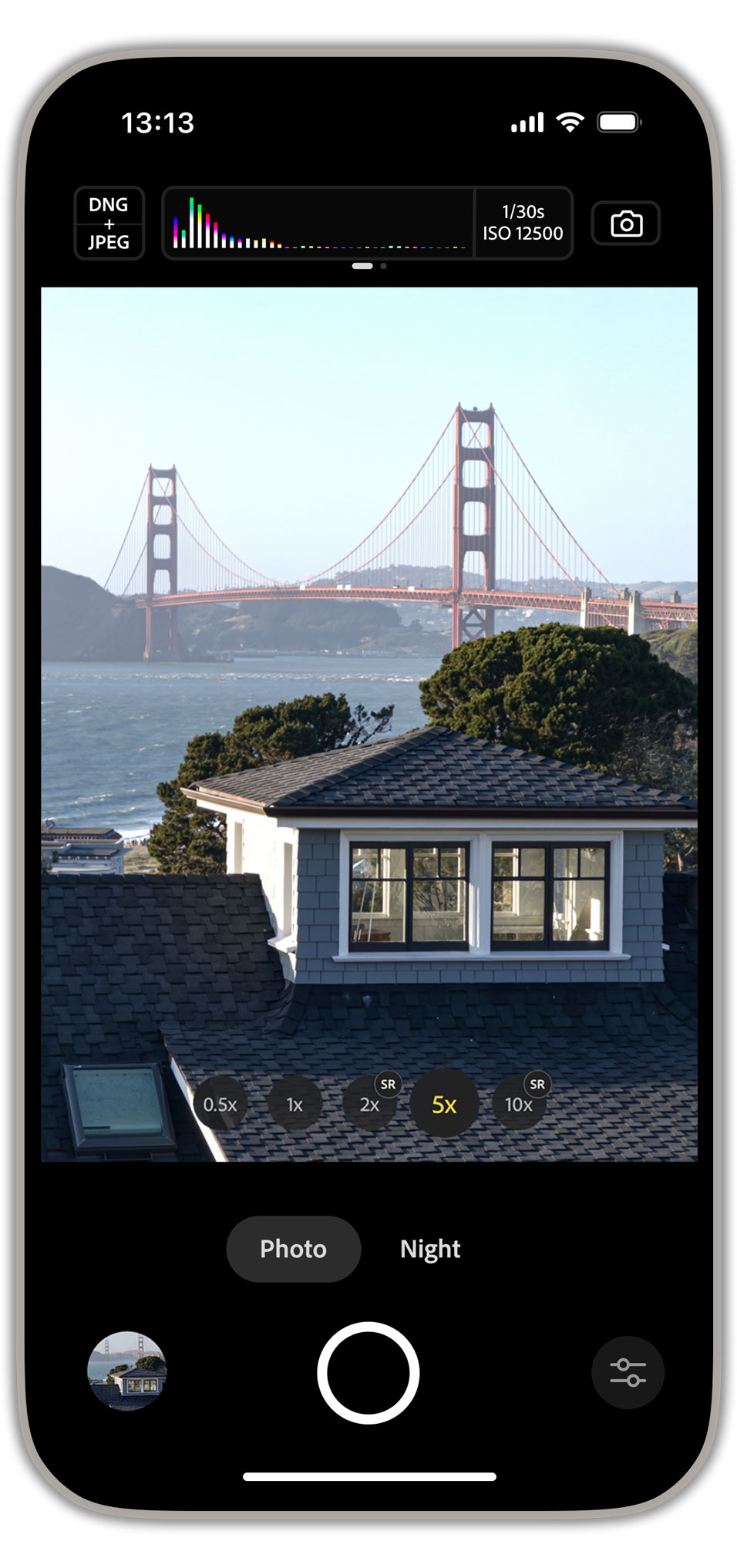
Apple App Store. A screenshot of the user interface is shown in the first
image at left. The app offers full manual controls, a more natural ("SLR-like")
look, and the highest image quality that computational photography can provide -
in both JPEG and raw formats. It also introduces some new photographic
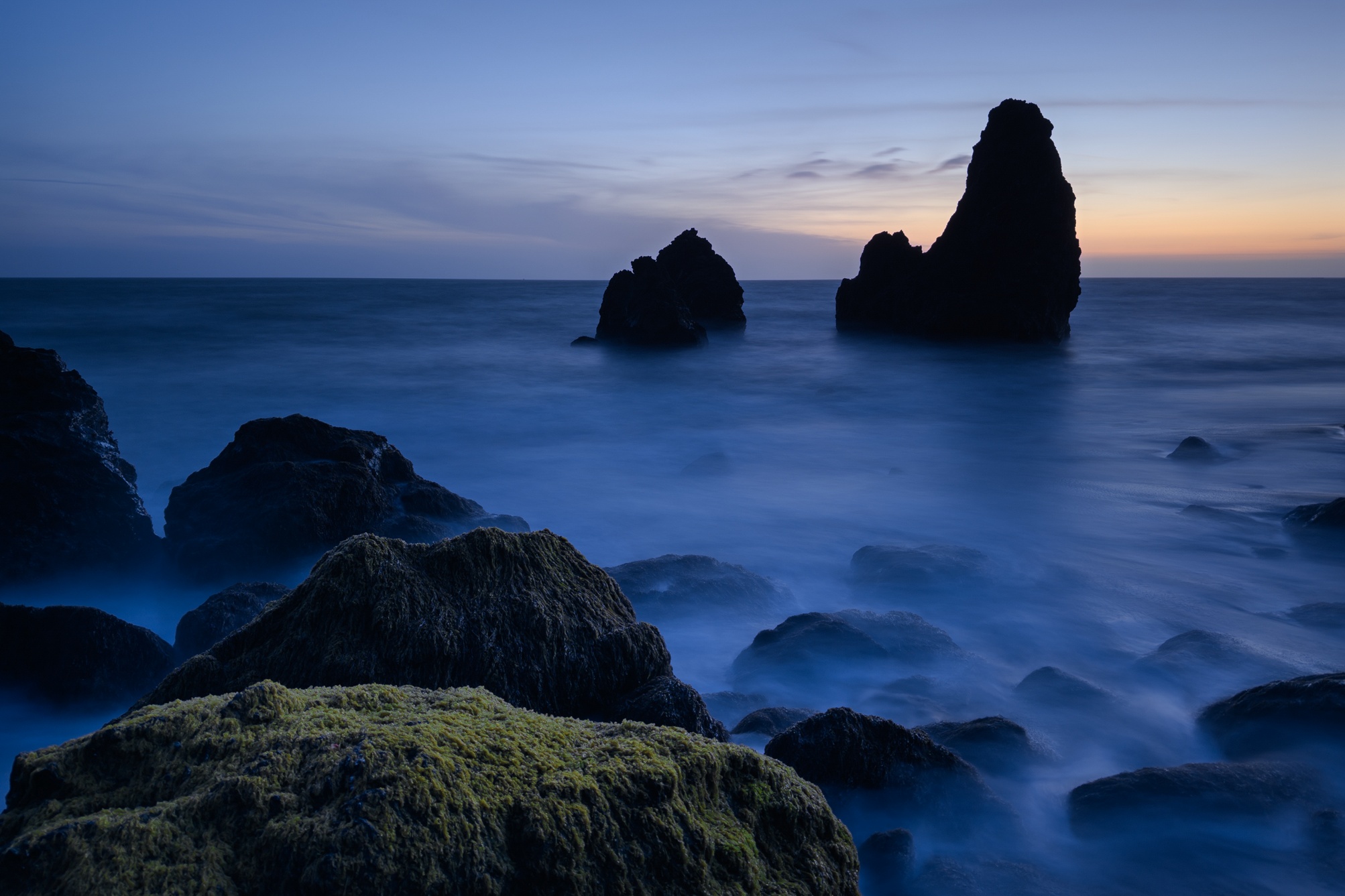
experiences not available in other camera apps, including on-device removal of
window reflections (see previous row of images) and synthetic long exposure
(second image at left, by team member Florian Kainz). Here's an
Adobe Research blog about the app. The app went kinda viral after launch
(a million downloads in the first month), has been reviewed by a number of
photography influencers and evangelists (e.g.
Greg Benz),
and has been covered by the tech press
(e.g. DP Review,
PetaPixel,
CNET,
Wired,
The Verge,
The Verge (again),
Waveform Clips from
MKBHD.)
See also this extended interview by Allison Johnson in the Vergecast.
One of the enduring benefits of the smartphone revolution is that it
has put a pretty good camera in everyone's pocket. That said, mobile cameras
don't offer full manual control, don't specialize in delivering good raw images,
and have a "smartphone look" that not everyone likes. To address these gaps, and
to explore the future of mobile photography, Adobe's Nextcam Team (which I lead)
has developed an experimental camera app called Project Indigo,
which is available on iPhone as a free mobile app from Adobe Labs, in the
Apple App Store. A screenshot of the user interface is shown in the first
image at left. The app offers full manual controls, a more natural ("SLR-like")
look, and the highest image quality that computational photography can provide -
in both JPEG and raw formats. It also introduces some new photographic
experiences not available in other camera apps, including on-device removal of
window reflections (see previous row of images) and synthetic long exposure
(second image at left, by team member Florian Kainz). Here's an
Adobe Research blog about the app. The app went kinda viral after launch
(a million downloads in the first month), has been reviewed by a number of
photography influencers and evangelists (e.g.
Greg Benz),
and has been covered by the tech press
(e.g. DP Review,
PetaPixel,
CNET,
Wired,
The Verge,
The Verge (again),
Waveform Clips from
MKBHD.)
See also this extended interview by Allison Johnson in the Vergecast.
|
Photography
My 5-year journey from SLRs to cell phones
|
|
|
|
|
|
|
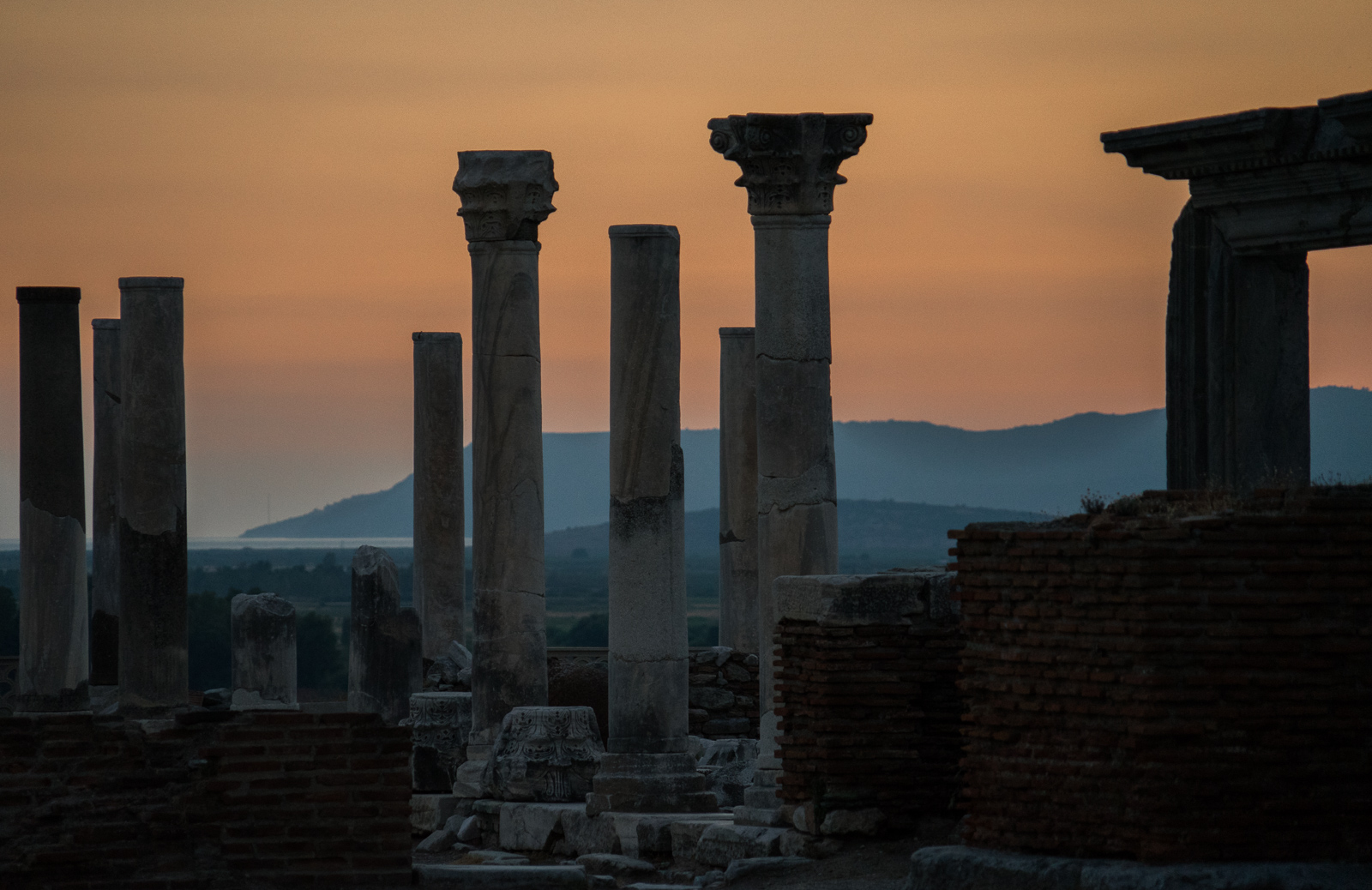
Turkey, June 2015
|
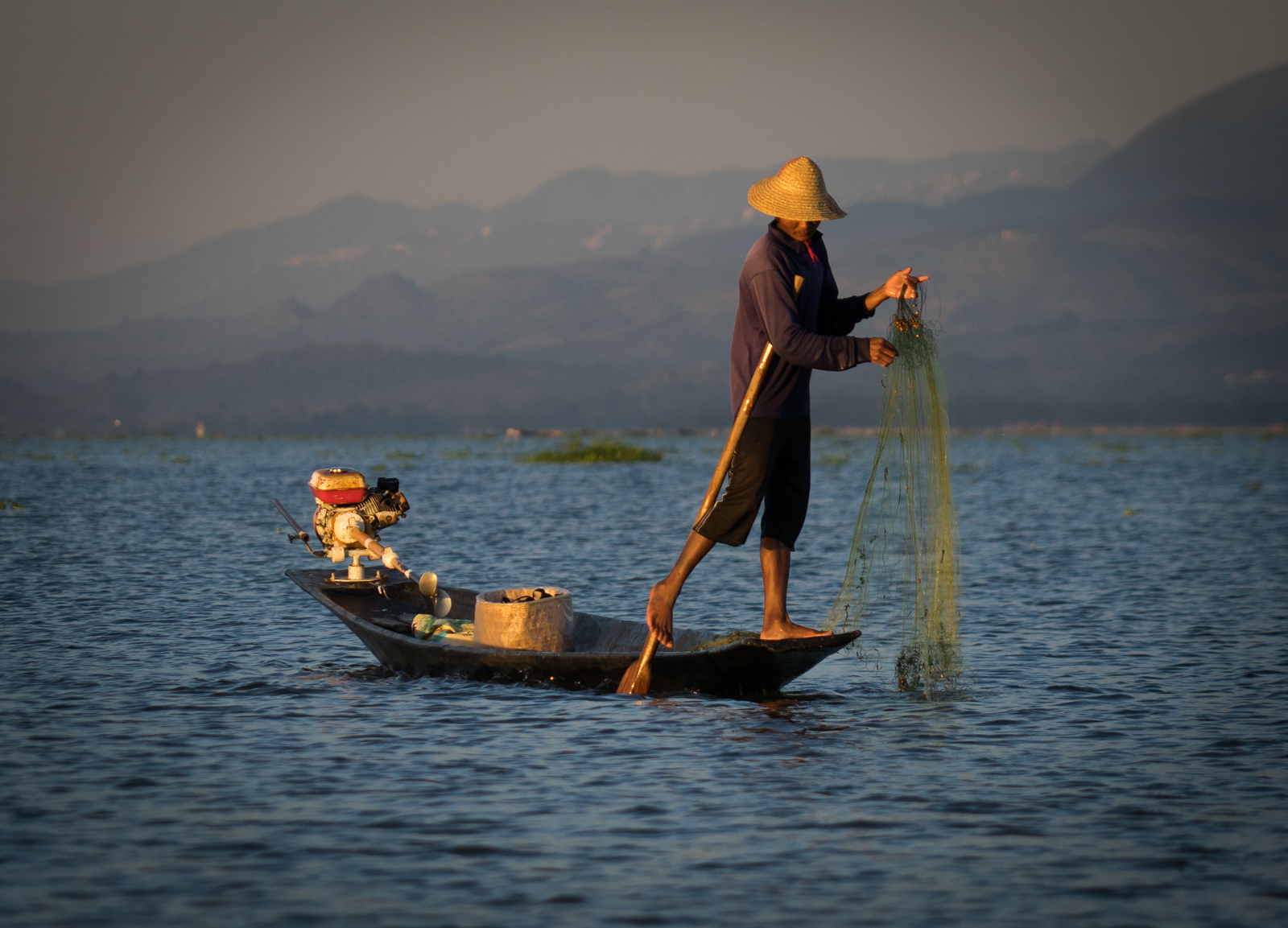
Myanmar, December 2016
|
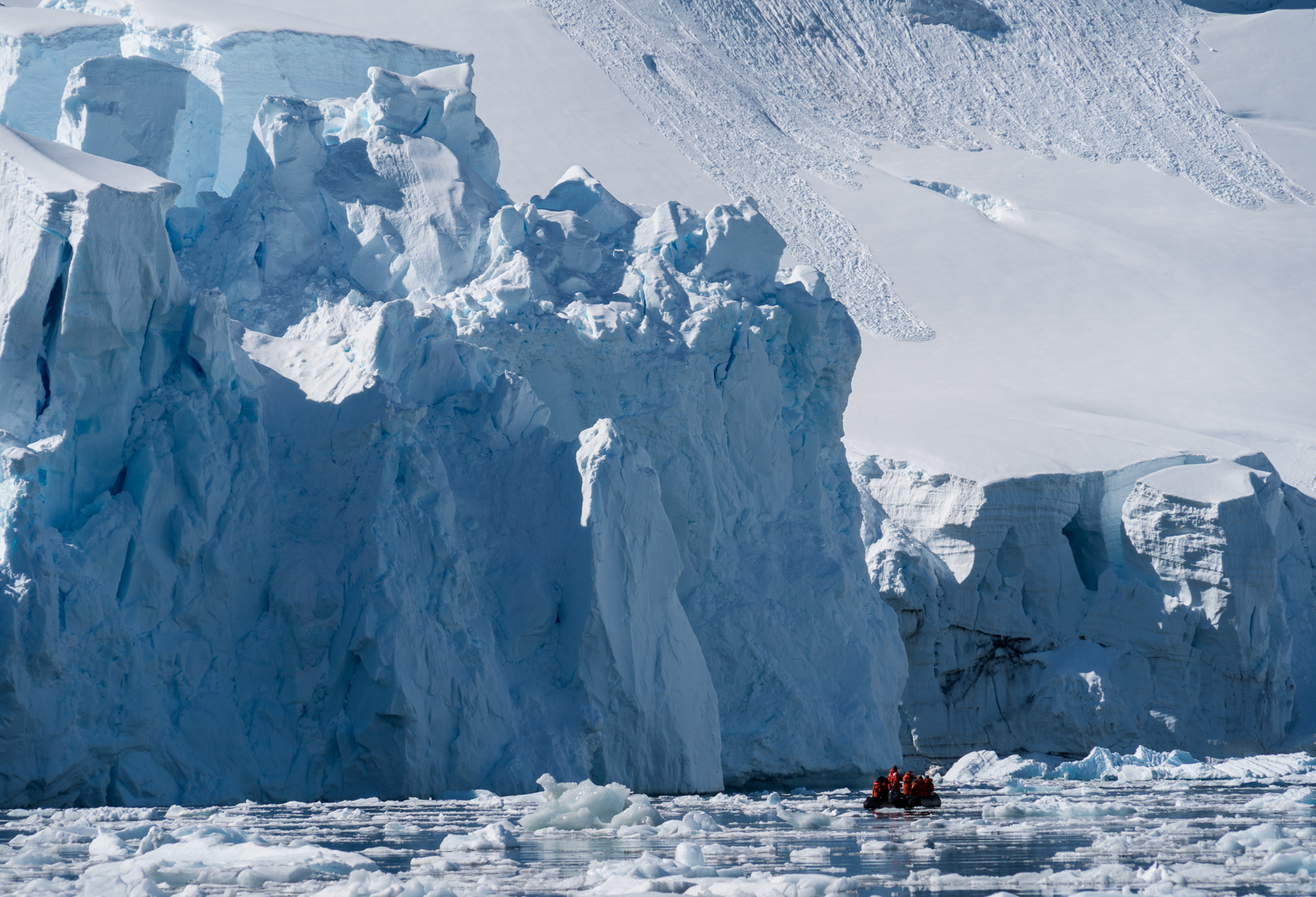
Antarctica, December 2017
|
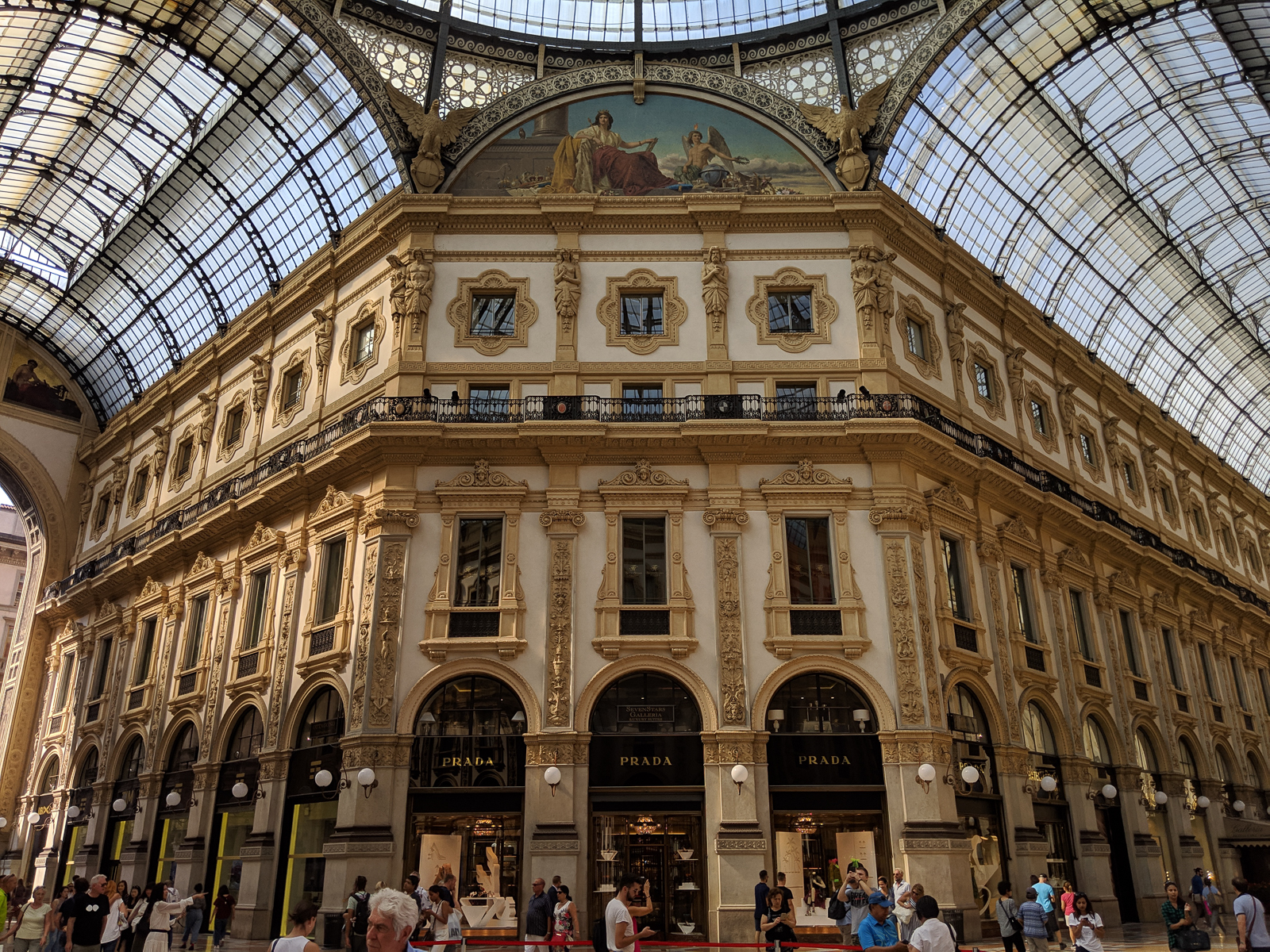
Italy, Switzerland, Germany, 2018
|
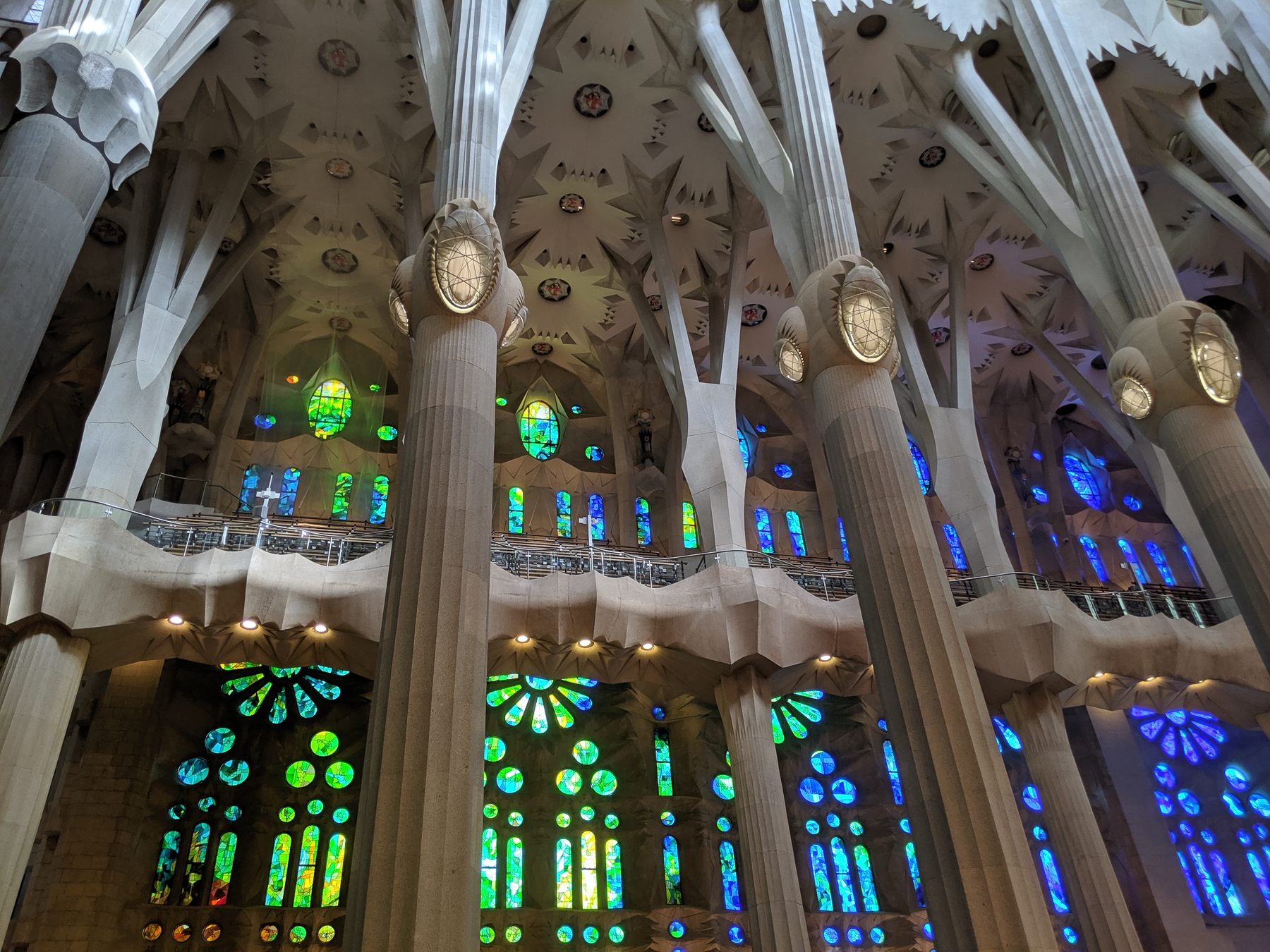
Barcelona, February 2019
|
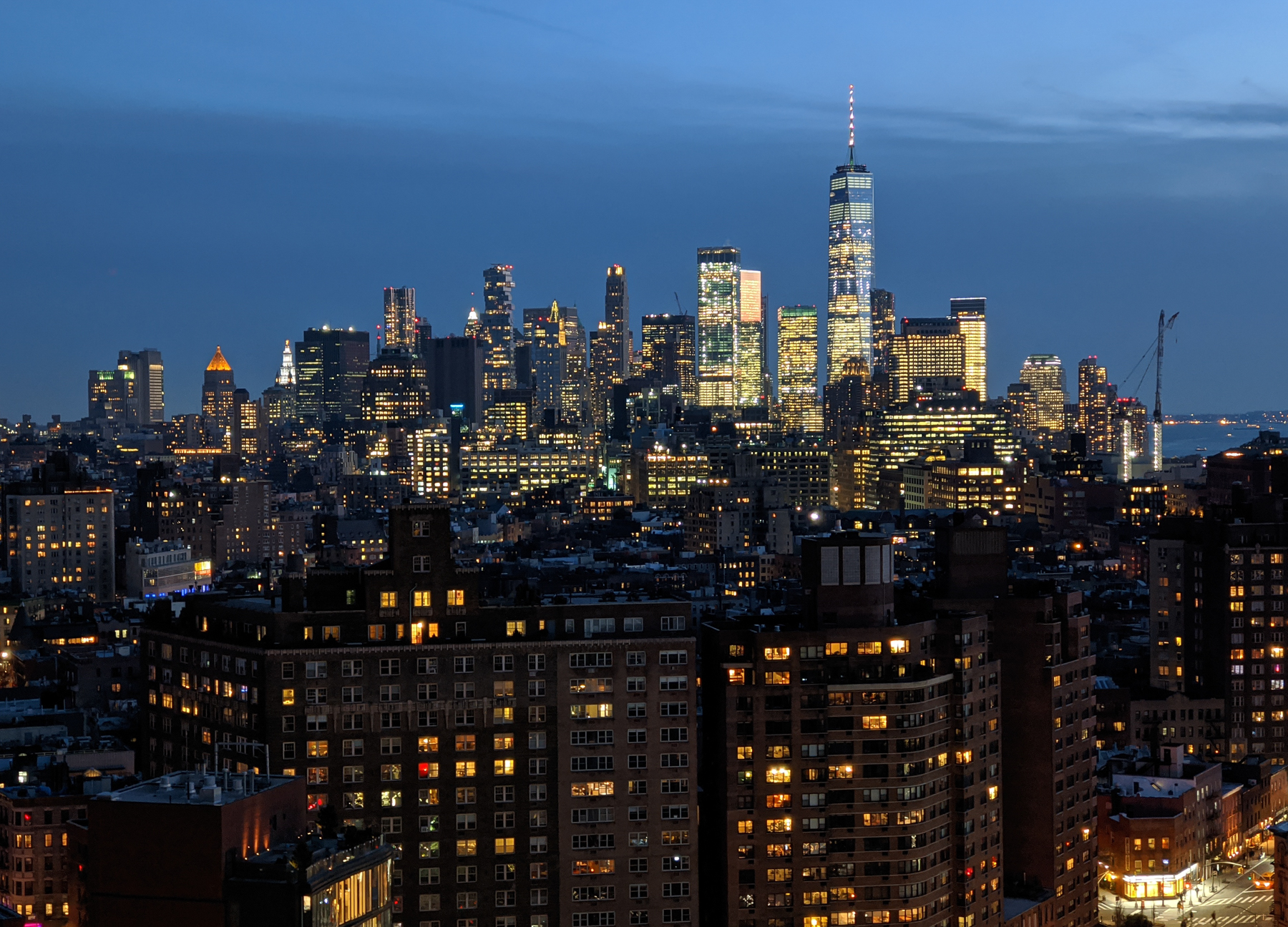
New York, March 2020
|
Other favorite Pixel 3 and Pixel 4 albums
(with a Google Photos parlour trick in the last album)
|
|
|
|
|
|
|
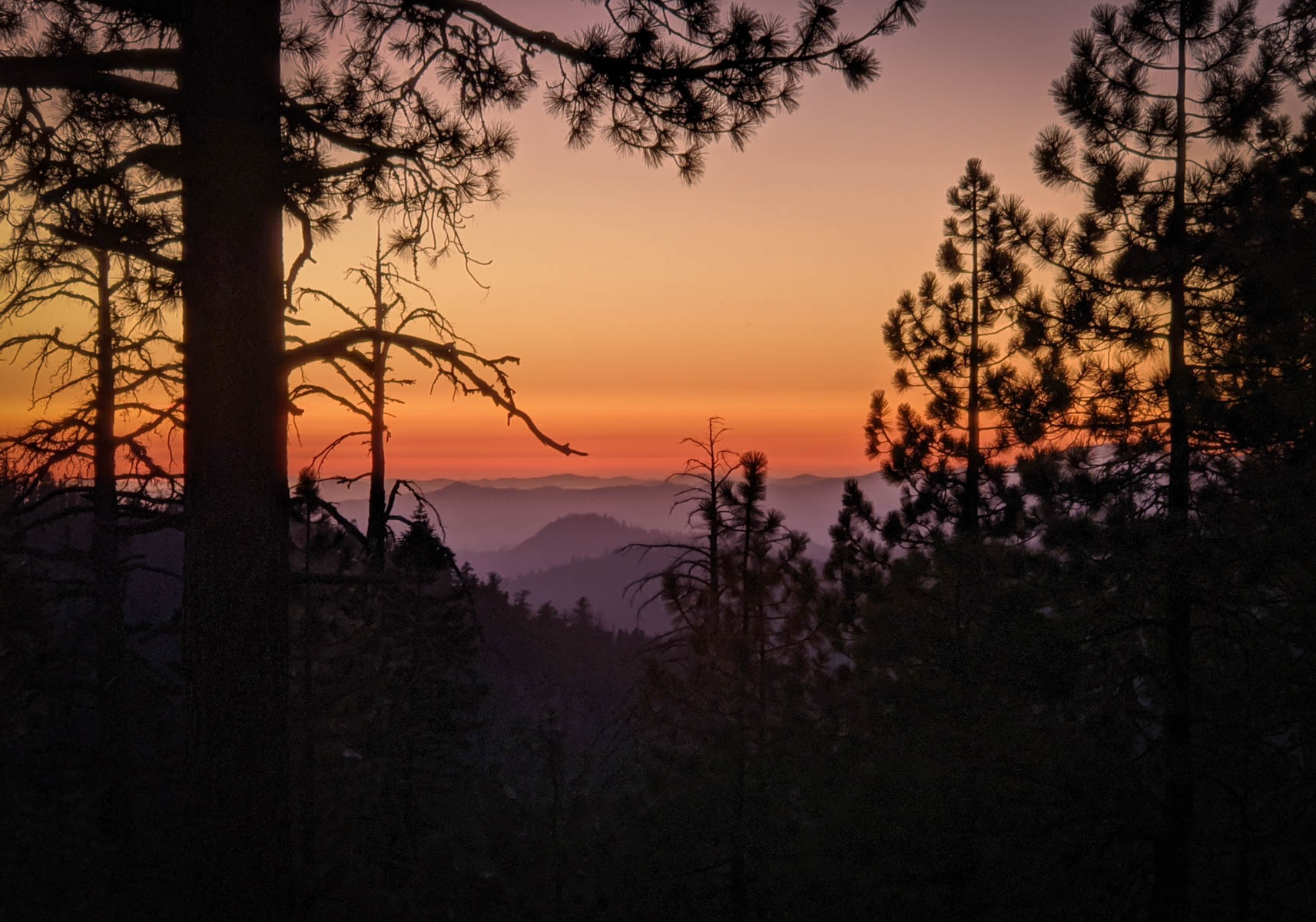
(Mostly) nature shots
|
New York, January 2020
|
Pixel 4 launch event
|
Prague to Vienna by bicycle
|
Eastern Sierras, August 2019
|
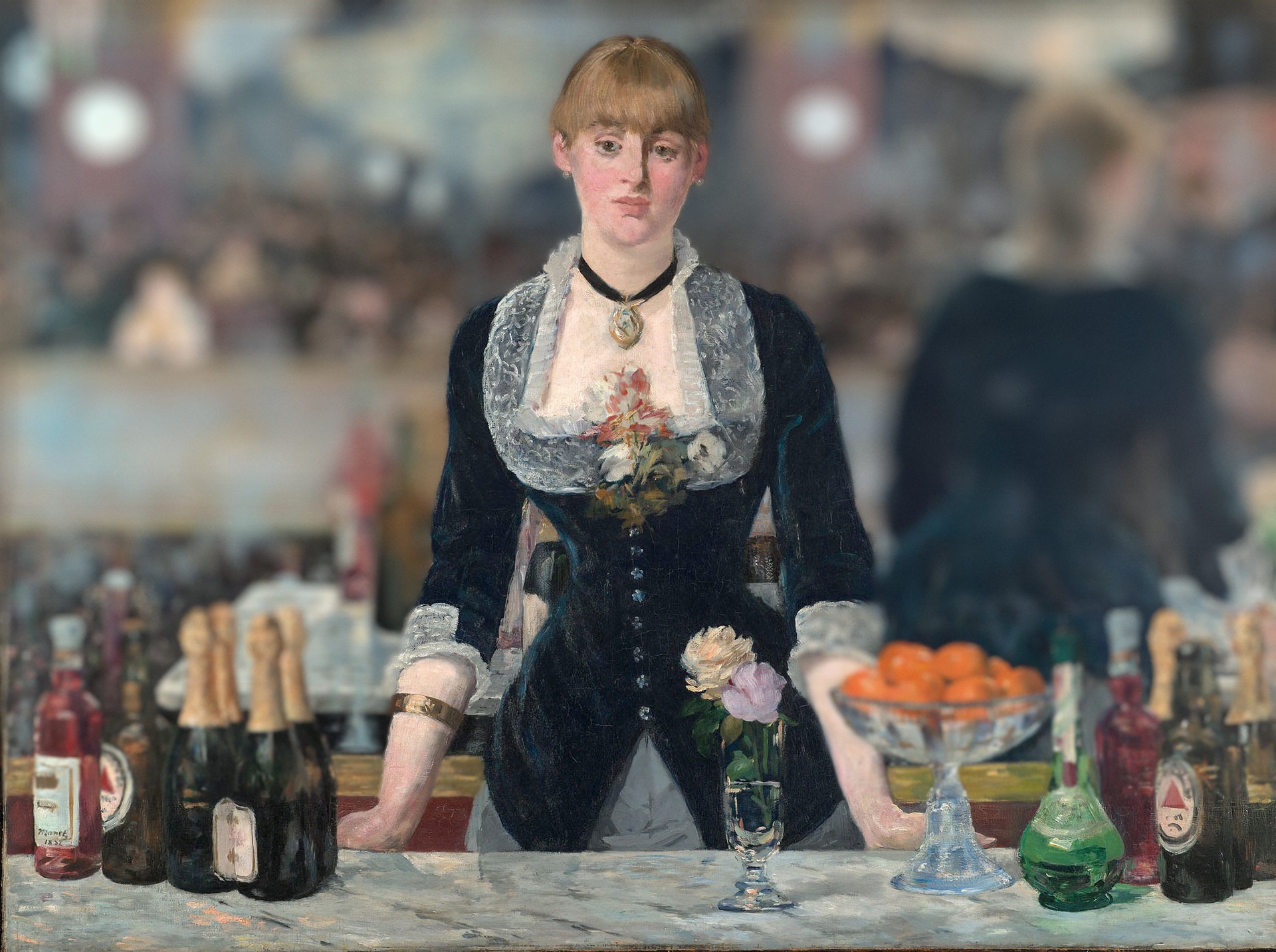
Portrait Blur on famous paintings
|
Selected older travel albums
|
|
|
|
|
|
|
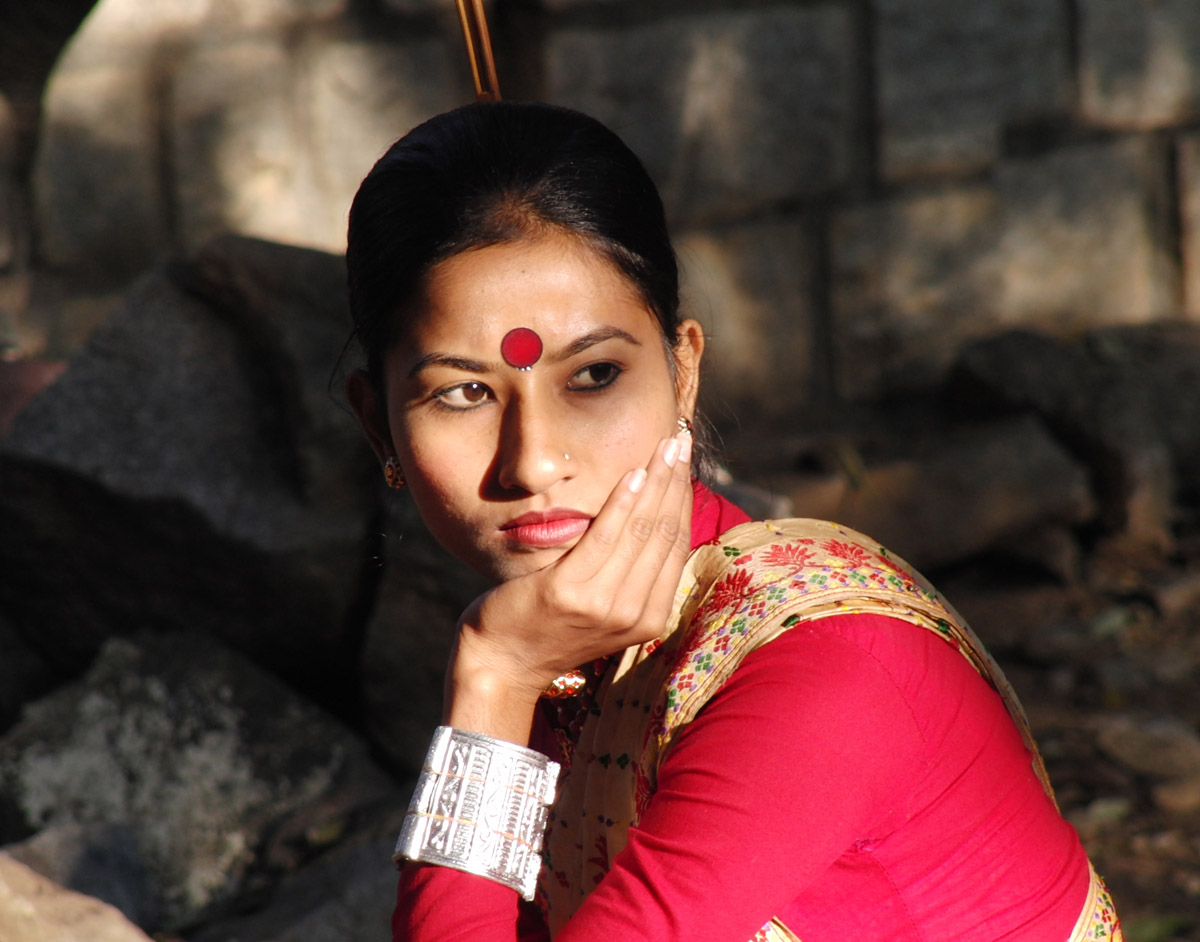
India, December 2008
|
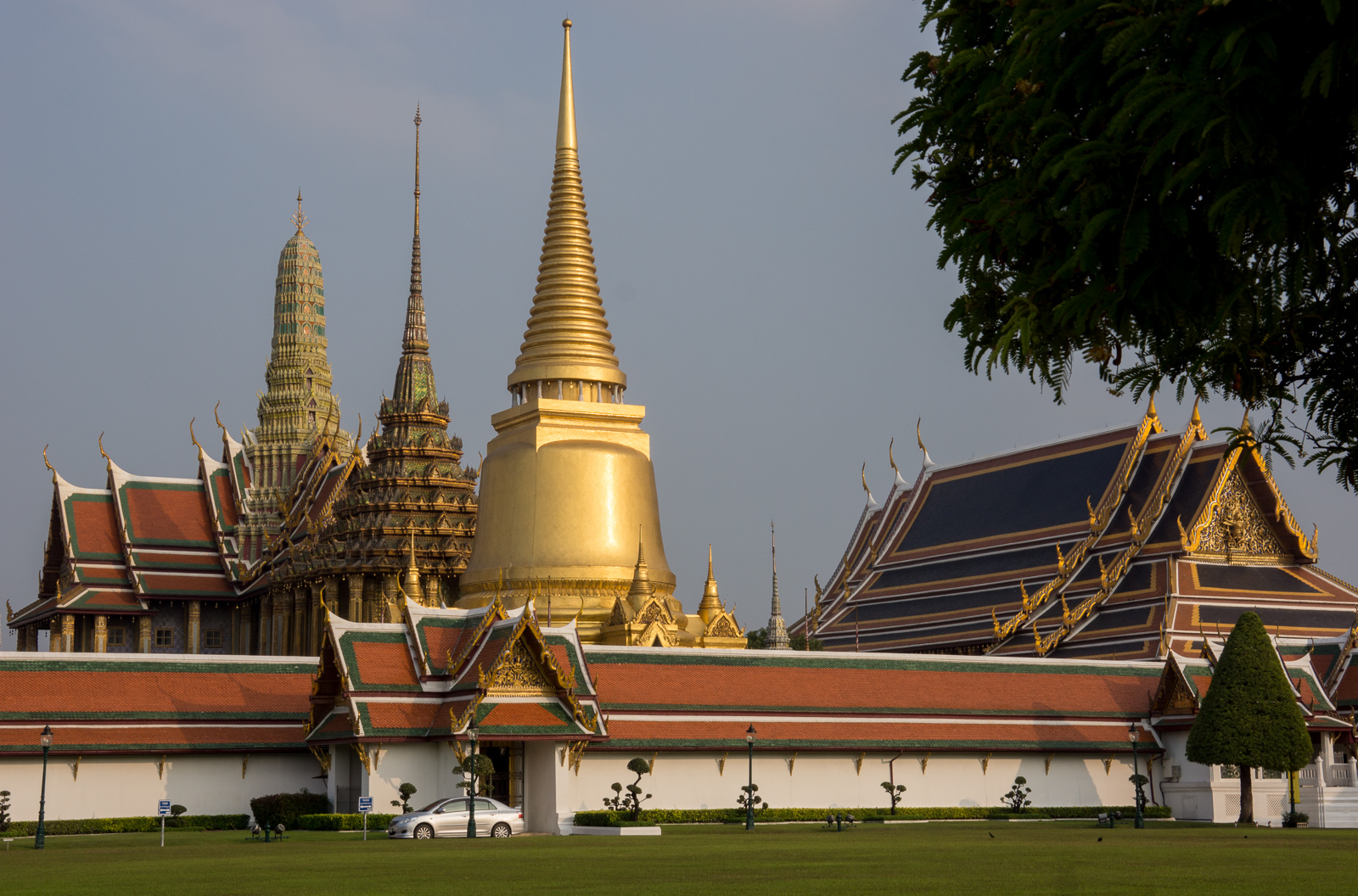
Thailand/Cambodia, December 2013
|
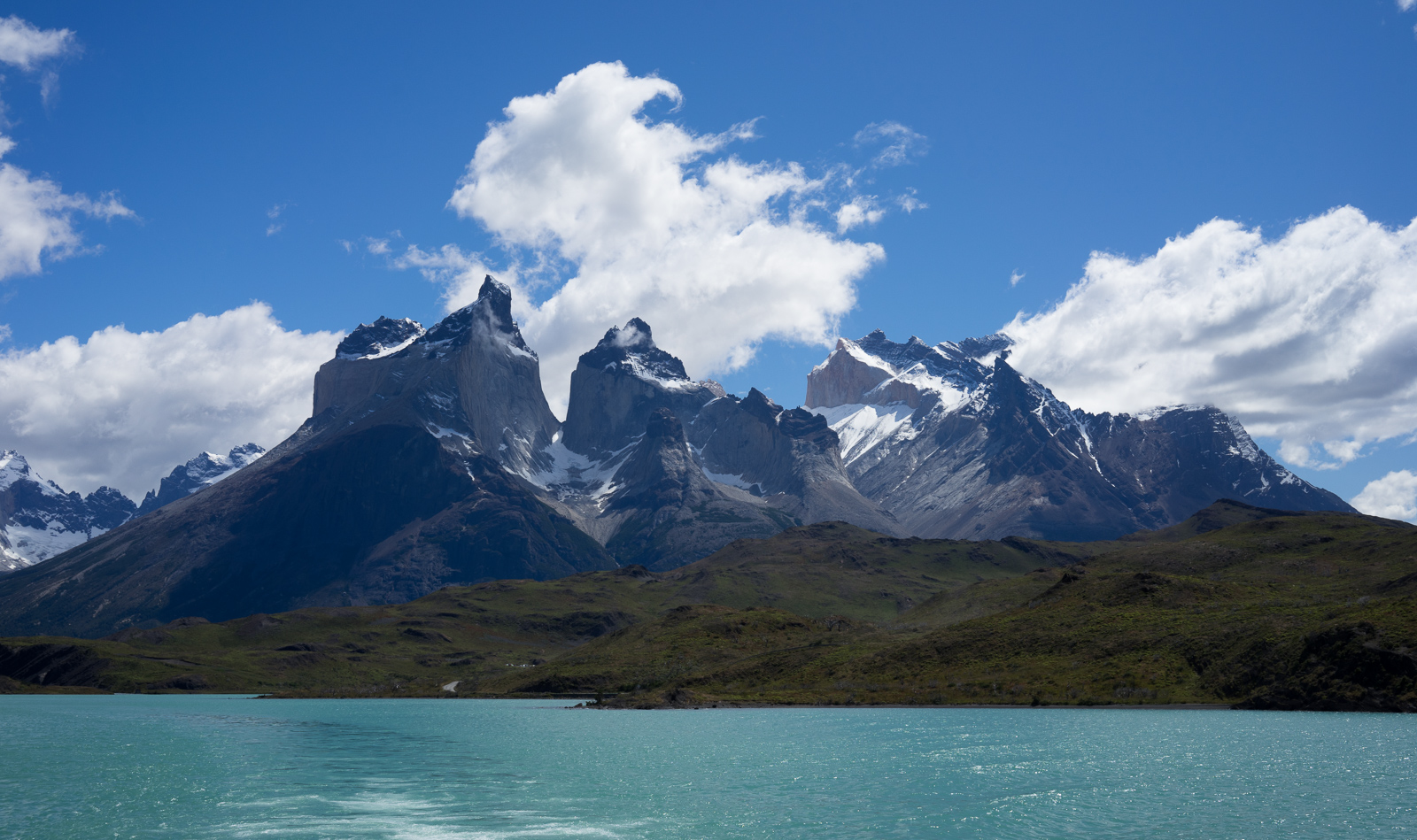
Chile and Patagonia, December 2015
|
Van trip across EU, June 2016
|
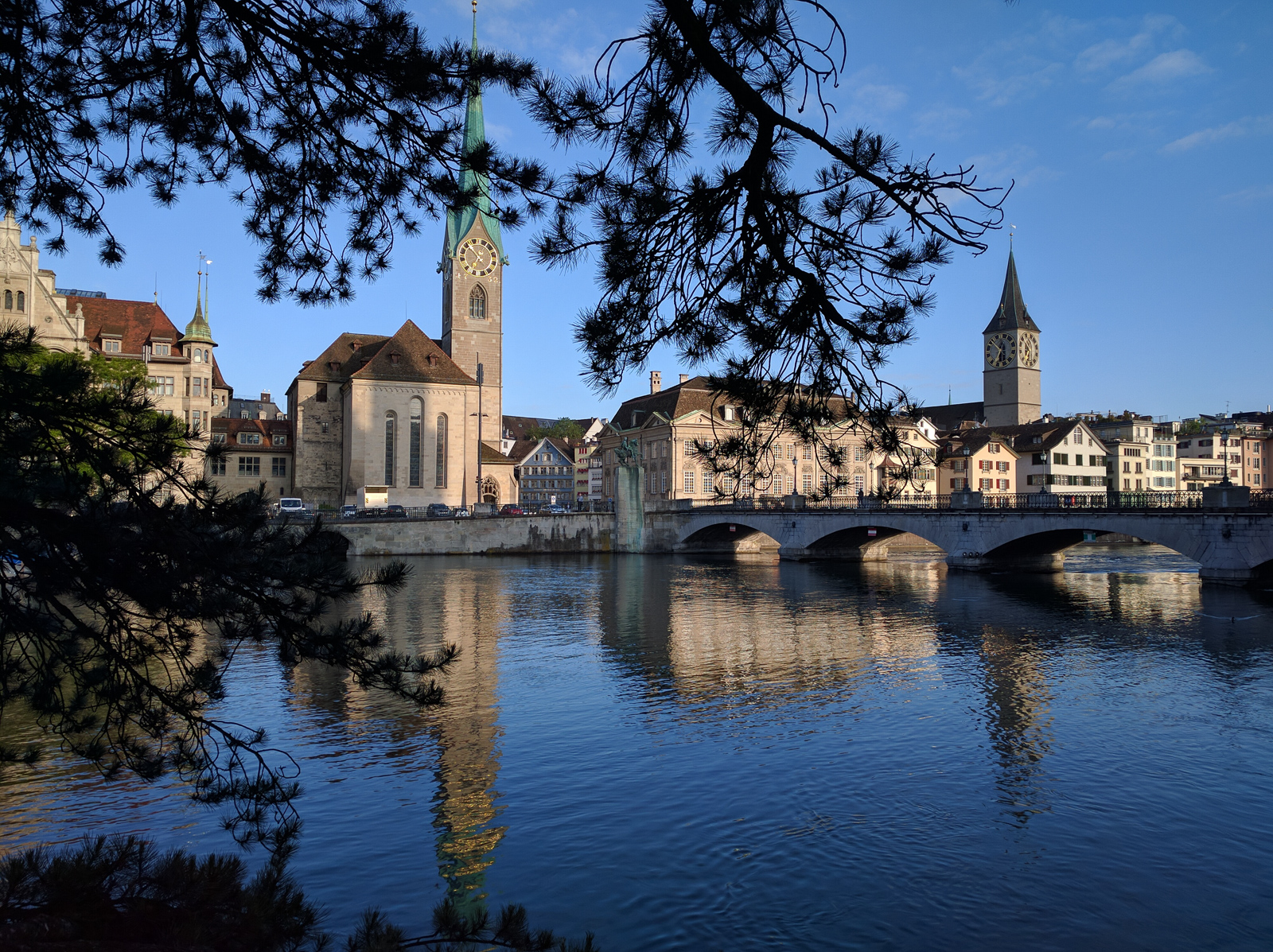
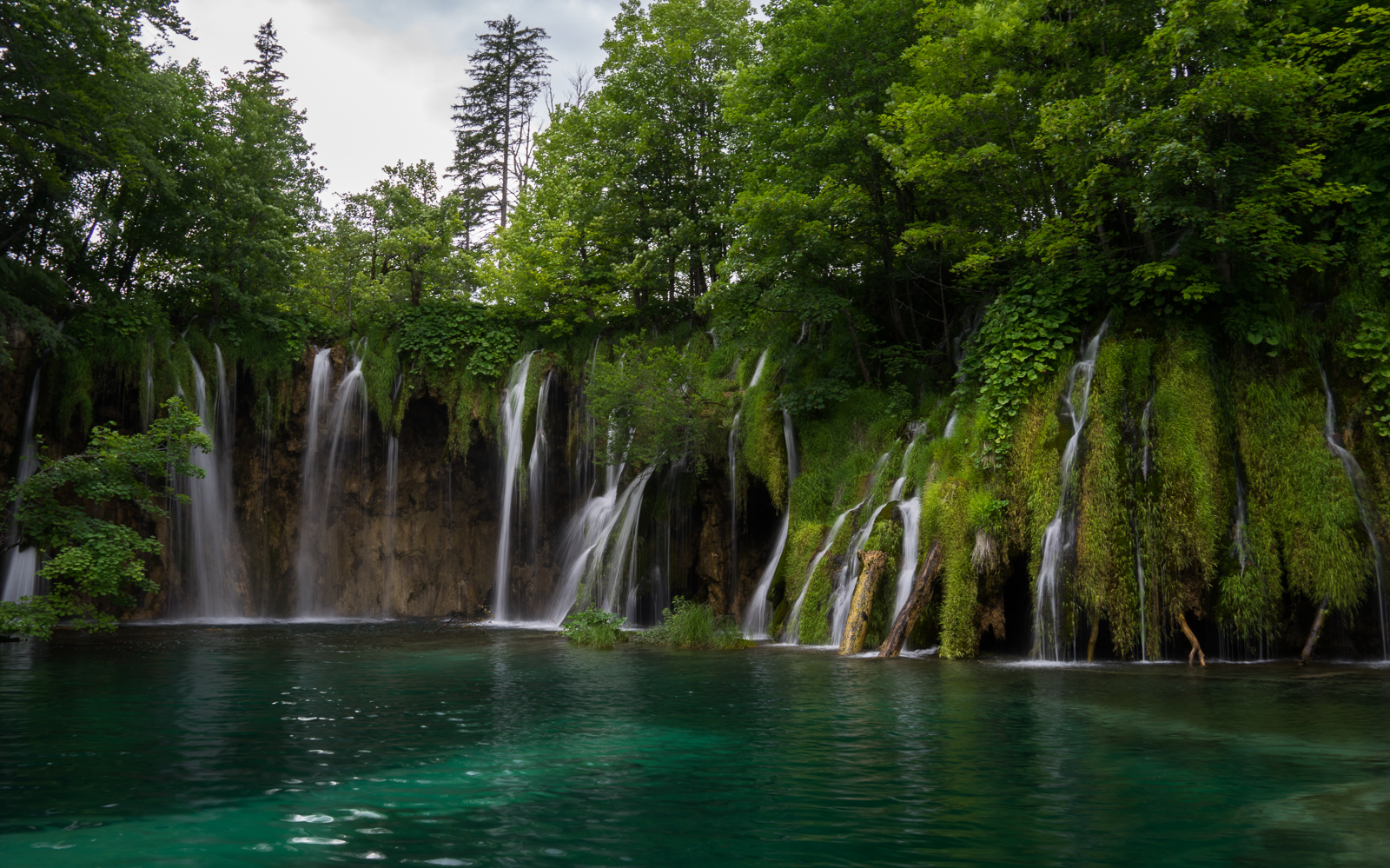
Croatia and Italy, June 2017
|
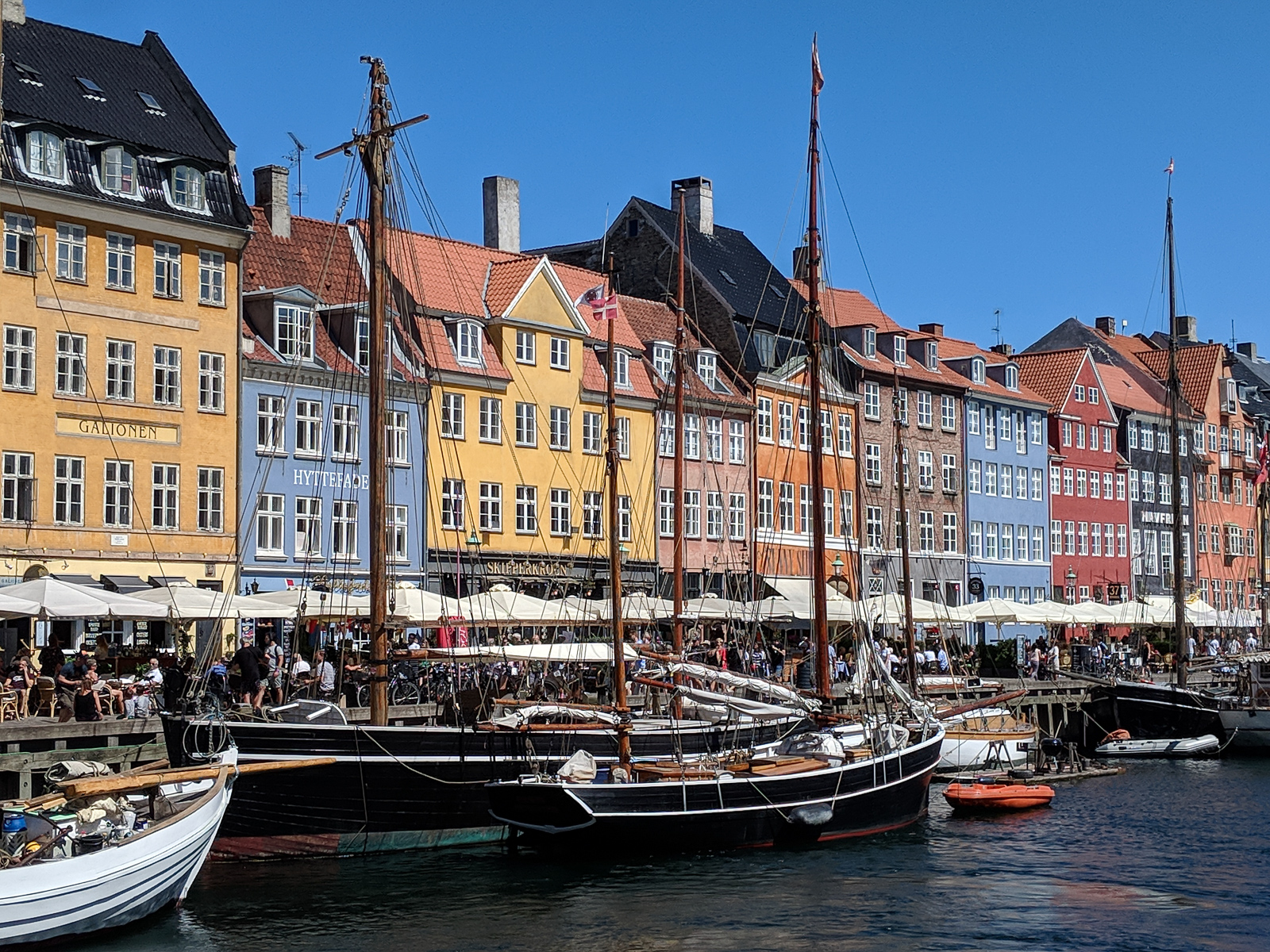
Tour of the Baltics, June 2018
|
Autobiography

|
In 2012 I was invited to give the commencement address at the
2012 Doctoral Hooding Ceremony of the University of North Carolina
(from which I graduated with a doctorate in 1989).
After the ceremony a number of people asked for the text of my address. Here
it is, retrospectively titled
"Where do disruptive ideas come from?". Or here is
UNC's version,
with more photos like the one at left. And here is the
video.
|
|
Portrait photographer
Louis Fabian Bachrach took some nice photographs (here and
here) of me in 1997
for the Computer Museum in Boston (now closed). I do occasionally wear
something besides blue dress shirts. Here are shots with other shirts, from
August 2001 and
July 2003.
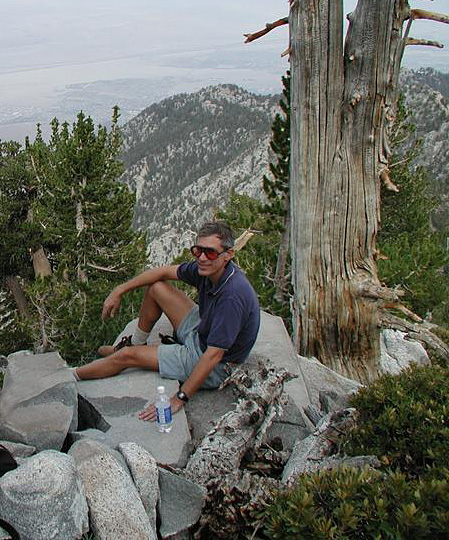
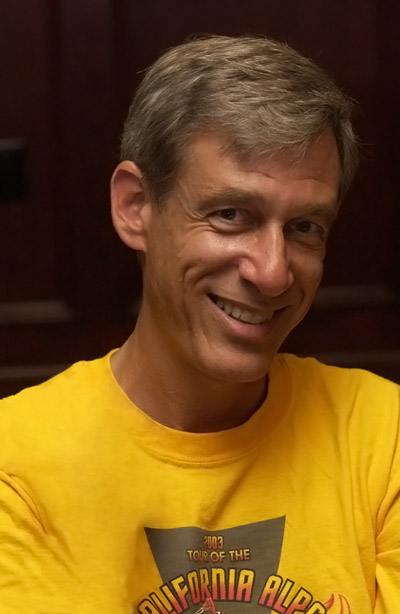
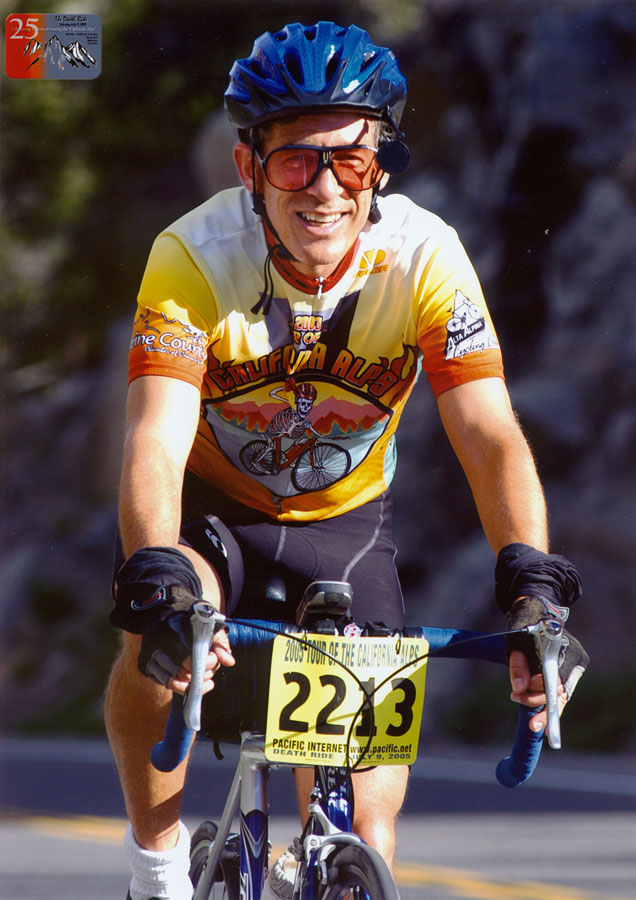
Yes, that's a Death Ride T-shirt in the
last shot. I also rode in 2005, and yes, I finished all 5 passes - 15,000 feet
of climbing. That's why I'm smiling in the official ride photograph (shown at
left), taken at the top of Carson Pass after 12 hours of cycling.
|

|
During a 1998-99 sabbatical in Italy,
my students and I digitized 10 of
Michelangelo's statues in Florence. We called this the
Digital Michelangelo Project.
Here are some
photographic essays about personal aspects of the sabbatical.
In particular, I spent the year
learning to carve in marble.
At left is my first piece - a mortar with decorated supports.
Here are some sculptures by
my mother,
who unlike me had real talent.
|
|
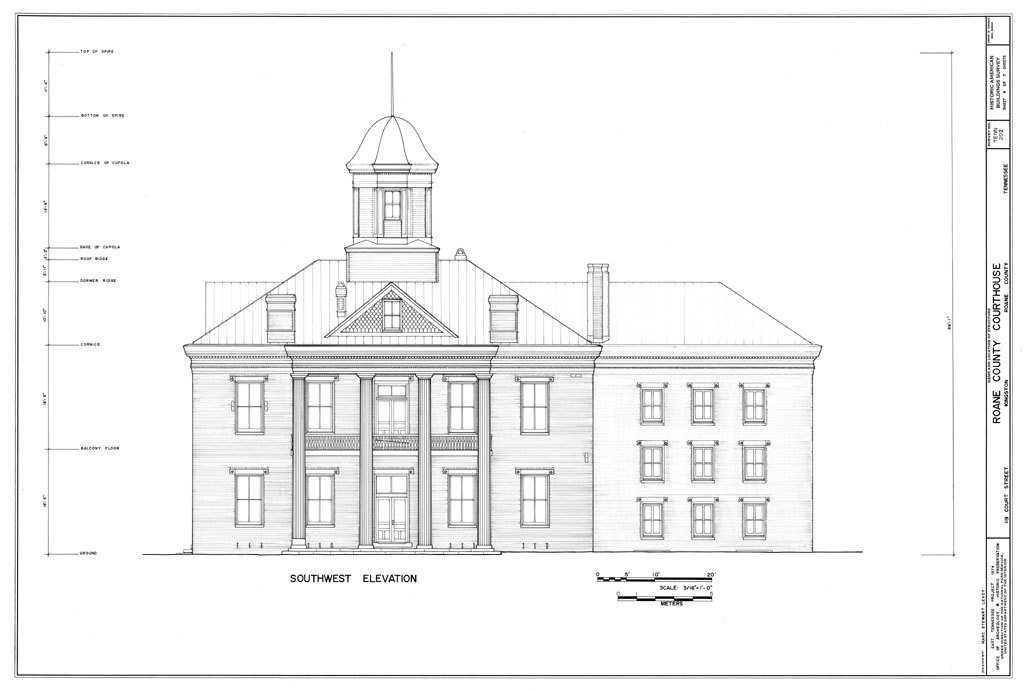
The Digital Michelangelo Project was not my first foray into measuring and
rendering 3D objects. Here are some drawings I made in college for the
Historic American Buildings Survey.
In this project the measuring was done by hand - using rulers, architect's
combs, and similar devices.
|

|
I still like finding and measuring old objects, especially if it involves
getting dirty. This photographic essay describes a week I spent on an
archaeological dig
in the Roman Forum. The image at left, taken during the dig,
graces the front cover of
The Bluffer's Guide to Archaeology.
|

|
My favorite radio interview, by Noah Adams of National Public Radio's All Things
Considered - about the diverging gaze directions of the two eyes in
Michelangelo's David (June 13, 2000). (Click to hear the interview using
RealAudio at
14.4Kbs or
28.8Kbs, or as a
.wav file.)
|
|
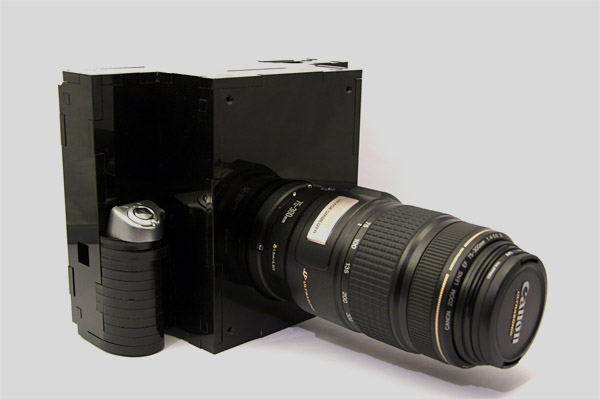
This interview, by Guy Raz, weekend host of All Things Considered, runs a close
second. It's about the
Frankencamera (October 11, 2009),
pictured at left.
(Click here for NPR's
web page containing the story and pictures,
and here for a direct link to the audio as an
.mp3 file.)
Finally, here's a text-only
interview at SIGGRAPH 2003, by Wendy Ju,
with reminiscences of my early mentors in computer graphics.
|
|
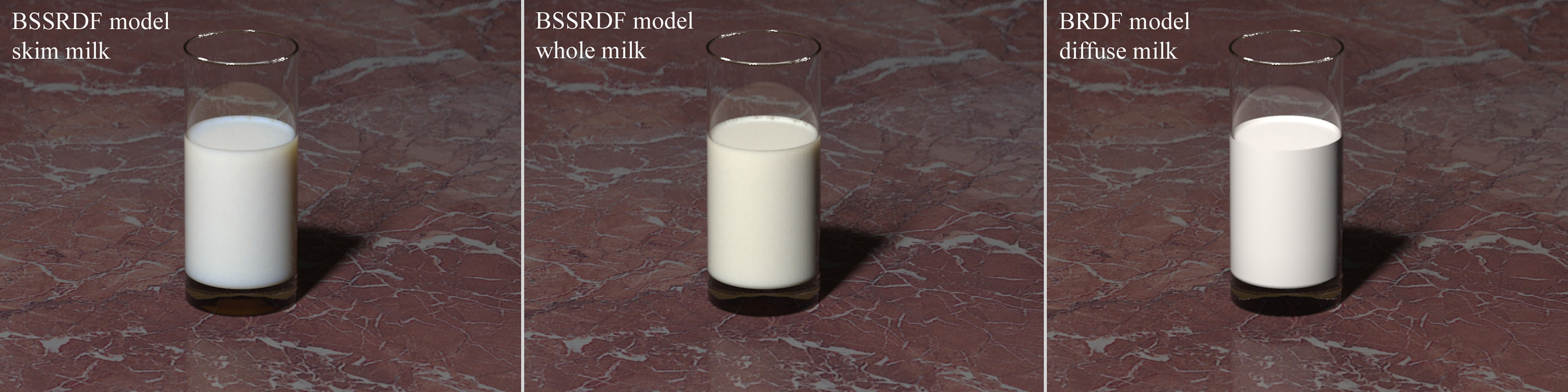
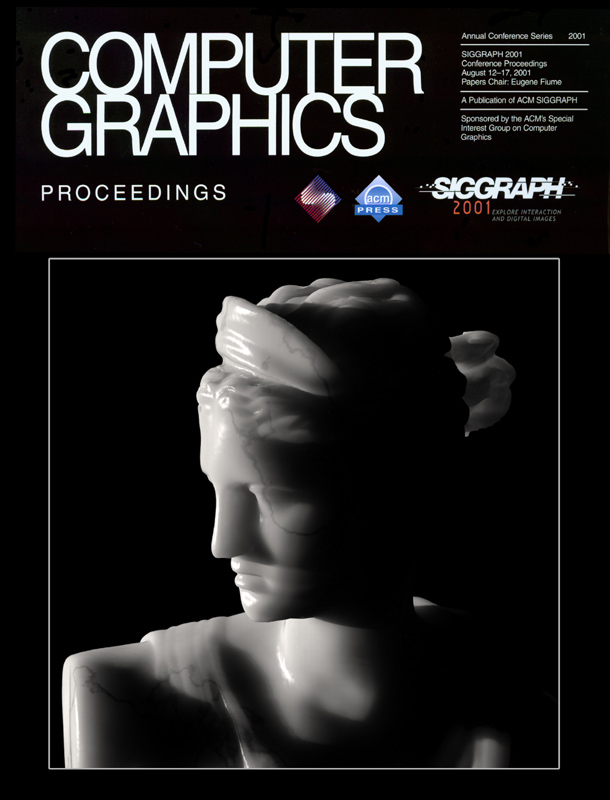
Speaking of computer graphics, I'm fond of the front cover of the
Siggraph 2001 proceedings.
The image is from a paper (in the proceedings) on
subsurface scattering,
co-authored with Henrik Wann Jensen, Steve Marschner, and Pat Hanrahan.
And check out this milk.
This paper won a Technical Academy Award in 2004.
Subsurface scattering is now ubiquitous in CG-intensive movies.
|
|
However, not everything went smoothly at Siggraph 2001. A
more-strenuous-than-expected after-Siggraph hike inspired Pat Hanrahan's and my
students to create this humorous movie poster. Click
here for the innocent version of
this story. And here for the real
story.
|
Genealogy
|
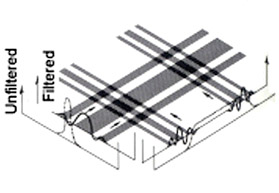
A lot of my early Stanford research related to volume data. The cause may be
genetic. My mother's cousin David Chesler is credited with the first
demonstration of filtered backprojection, the dominant method used in
computed tomography (CT) and positron emission tomography (PET) for combining
multiple projections to yield 3D medical data. Here is a
description
of his
contributions.
|
|
My father's genes also seem to be guiding my research tastes. Optics has been
in my family for four generations. My father Barton Monroe Levoy and my
grandfather Monroe Benjamin Levoy were opticians and sellers of eyeglasses
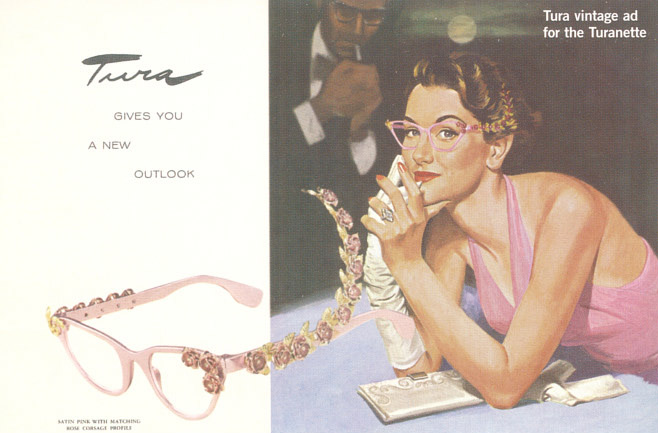
through their company, Tura. At left is an early
brochure.
Tura is still alive and well, with corporate headquarters in New York City,
although it is no longer in the family. Here is a marvelously illustrated
timeline
they assembled about the history of the
company; it includes the image at left.
|
|
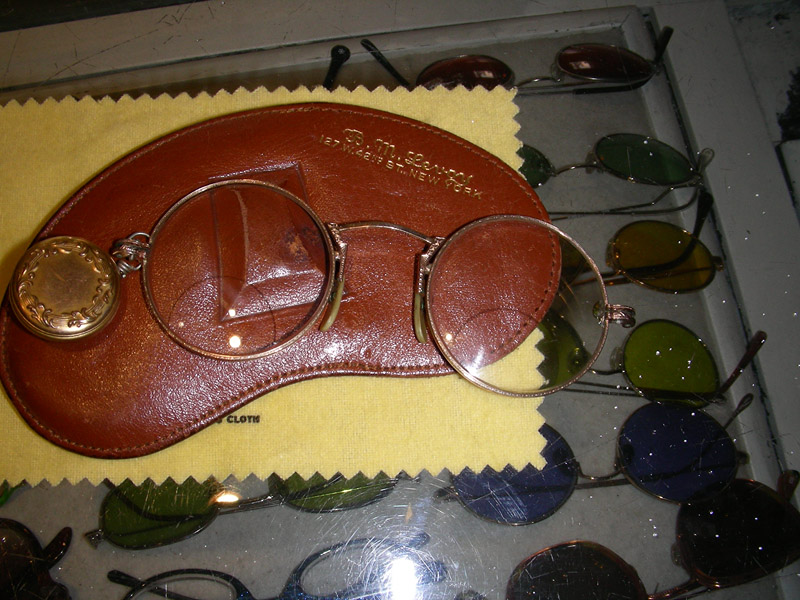
Going back further, my great-grandfather Benjamin Monroe Levoy sold eyeglasses,
cameras, microscopes, and other optical instruments in New York City a century
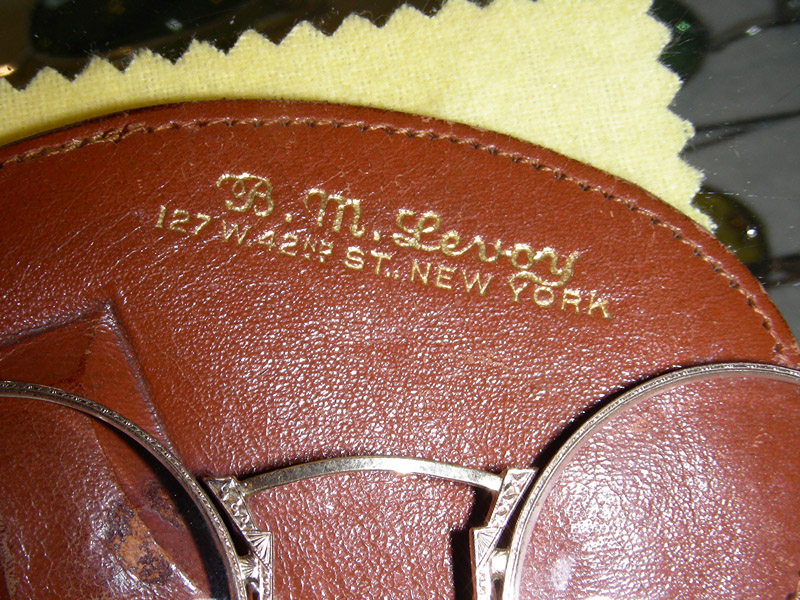
ago. Here is a piece of stationery from his store. He later
moved to 42nd street, as evidenced by the address on the case of these
eyeglasses, remade as pince-nez with a retractor.
(At left is a closeup of the embossed address.)
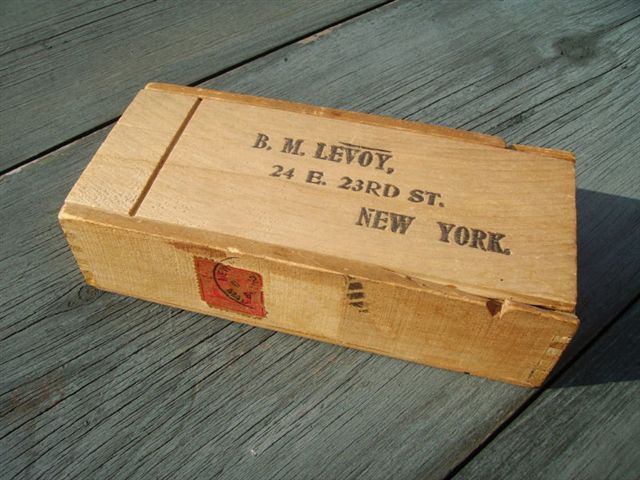
And here is a
wooden box
he used to mail eyeglasses to customers.
The stamp is dated 1902.
|

|
In the drawing (at left)
illustrating that stationary, I believe you can see a microscope. In
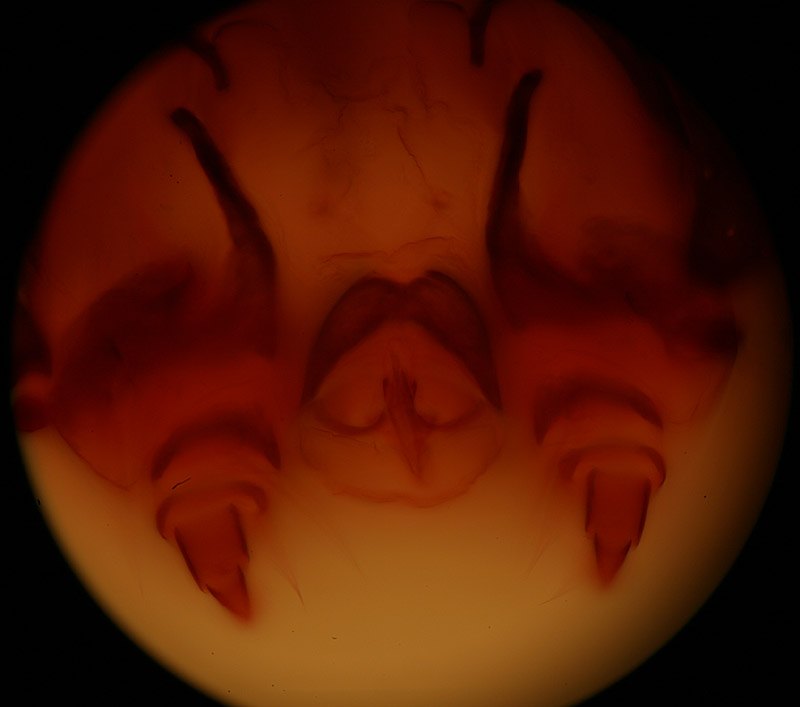
any case I have an old microscope from his store. This
specimen of a silkworm mouth,
which accompanied the microscope, appears in our SIGGRAPH 2006 paper on light field
microscopy.
|
|
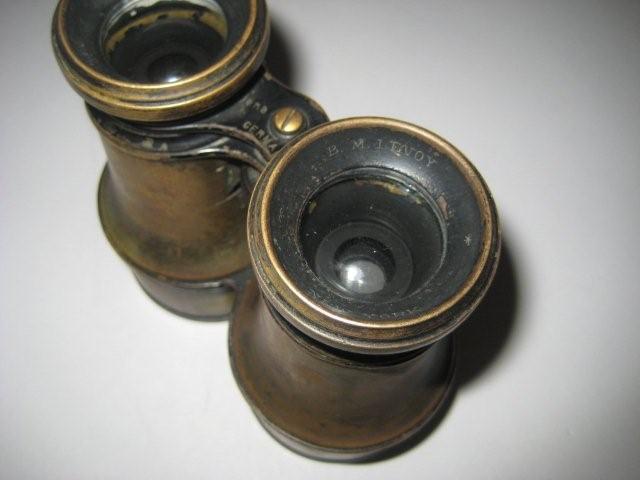
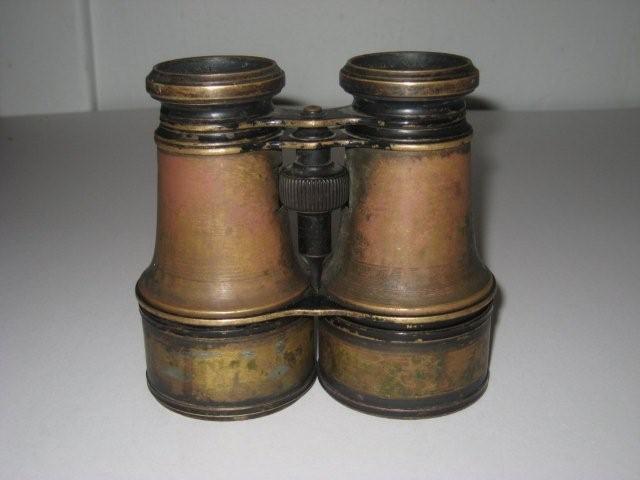
My great-grandfather apparently also sold binoculars from the store. This pair, made by Jena Glass about 80
years ago and inscribed with the name B.M. Levoy, New York, was recovered by
a SWAT team during a drug raid in South Florida in 2008. They have undoubtedly
passed through many hands during their long and storied life. It would be
fascinating to watch a video of everything these lenses have seen.
|
|
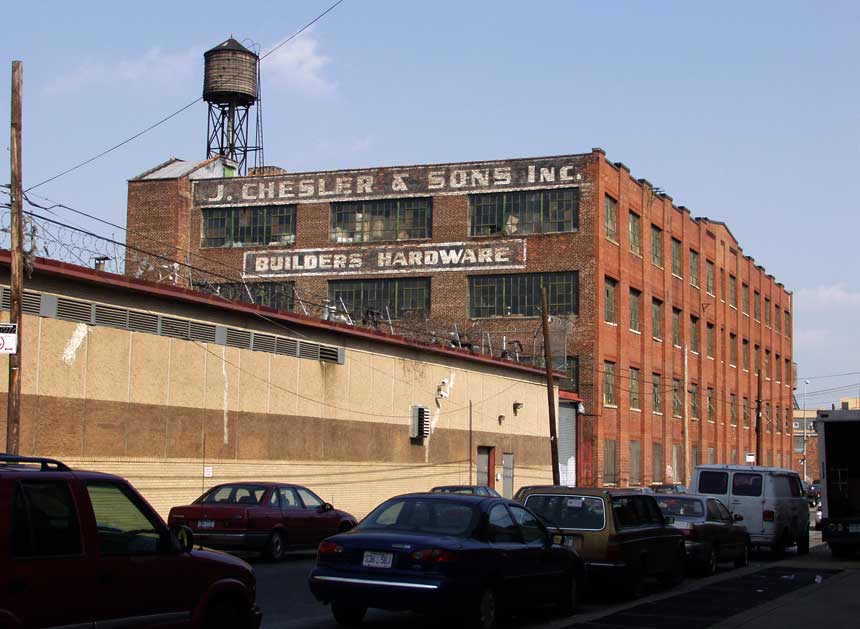
When my Stanford students worked with me at the optical bench, they were
perplexed by my arcane knowledge of mirror technology. Returning to my
mother's side of the family, my great-grandfather Jacob Chesler built a
factory in Brooklyn (pictured at
left) that made hardware. The building passed to my grandfather Nathan
Chesler, who converted it to making decoratively bevelled mirrors. I spent
many pleasant hours studying the factory's machinery, designed by my uncle
Bertram Chesler, for
silvering large plate-glass mirrors.
|